
Photo of a diverse group of people smiling confidently, showcasing various dental implant solutions such as single tooth implants, bridges, and full arch replacements. The image should convey the message of restored smiles and improved quality of life. No text on the image.

The True Cost of Dental Implants In Broward County, Florida

Dental implants are artificial tooth roots placed in the jaw to hold replacement teeth. They can replace a single tooth, several teeth, or an entire arch. The cost of dental implants in Broward County, FL varies widely because each case is different: number of teeth, bone health, the type of prosthesis, and the technology your dentist uses all change the price. This guide explains what implants are, the factors that affect cost, typical price ranges for Broward County, and how to get a clear, written estimate so you know the true cost before you commit.

What Are Dental Implants?

A dental implant system has three main parts: the implant body (a titanium or zirconia post placed in bone), an abutment (connects the post to the tooth), and the crown/bridge/prosthesis (the visible tooth or teeth). Implants fuse with the jawbone to provide stability, which makes them a long‑term option. Unlike removable dentures, implants restore chewing force and protect nearby teeth. Compared to bridges, implants don’t require grinding down healthy adjacent teeth.

Key Factors That Impact the cost of dental implants in Broward County, FL

Number of teeth replaced

Replacing a single tooth is usually the least expensive option. Costs rise with multiple teeth and are highest for full‑arch replacements. Full‑arch solutions like All‑on‑4 replace an entire upper or lower set and require more implants, more materials, and more lab time, which increases the total cost.

Type of implant and prosthesis

A single implant plus a crown differs in cost from an implant‑supported bridge or a hybrid fixed prosthesis. Materials matter: a zirconia full‑arch prosthesis costs more than a metal‑based one but offers better aesthetics and stain resistance. Custom restorations and higher‑end ceramics also add to the price.

Bone health and preparatory procedures

If you have bone loss, you may need bone grafts, sinus lifts, or extractions before implants. Each additional procedure adds clinic time, materials, and healing time — and therefore cost. Healthy bone and intact teeth can lower the overall price and speed treatment.

Clinician skill, specialization, and technology

Specialists and doctors with extensive implant experience often charge more, but they may reduce complications and the need for rework. Advanced planning tools like CBCT 3D scans, guided surgery, and in‑house milling can increase fees but improve accuracy and outcomes.

Materials and lab work

High‑strength zirconia, precision milling, and custom lab work cost more than stock parts. In‑house CAD/CAM workflows can be pricier upfront but often deliver better fit and faster turnaround, which lowers indirect costs like repeat visits.

Typical Price Ranges and Example Scenarios for Broward County

Single implant and crown

Low range: less complex cases with basic components. Mid range: standard implant, abutment, and ceramic crown using quality materials and imaging. High range: premium implants, custom abutments, and all‑ceramic crowns from a lab with extensive finishing. Expect variability based on provider and materials.

Multiple implants / implant bridge

Replacing several adjacent teeth with implants and a bridge costs more per tooth than a single implant due to added implants and lab work. Two to four implants supporting a bridge is common; costs depend on the number of implants, the prosthesis design, and whether additional grafts are required.

Full‑arch implant prosthesis (fixed hybrid / All‑on‑4)

Full‑arch solutions represent the largest investment but restore function and appearance across an entire jaw. Immediate‑load (same‑day) protocols often cost more because they require advanced planning and materials but can reduce total treatment time. Staged approaches may spread costs but extend treatment time. Over years, a well‑crafted fixed prosthesis can be more cost‑effective than repeated denture maintenance.

Insurance, Financing, and Ways to Make Treatment Affordable

Most dental insurance has limits on implants. You can use HSA/FSA funds for eligible services. Third‑party financing like CareCredit or in‑house payment plans spread cost over months or years. Compare interest rates, total payback, and fees when choosing financing. Ask if your clinic offers bundled pricing, discounts for paying cash, or flexible plans that match your budget.

How to Get an Accurate Quote for the cost of dental implants in Broward County, FL

A reliable quote starts with a full exam and 3D CBCT scan. Look for a digital treatment plan and a diagnostic waxup or mockup that shows the expected outcome. A good clinic provides a written estimate that lists implant fees, surgical fees, prosthetic fees, lab costs, and any warranties or follow‑up visits. Ask for timelines and contingency costs for common additional procedures.

What to Ask Your Implant Dentist

– How many implant cases like mine have you completed? – What is your complication or failure rate? – Do you use CBCT and guided surgery? – Is the lab in‑house or an outside lab? Do you use CAD/CAM milling? – What materials do you use for the prosthesis (zirconia, metal‑ceramic)? – What is included in the written estimate and are there warranty terms? – What financing options are available and are there bundled prices?

Why Choosing a Practice With Advanced Tech and a Warranty Adds Value

Advanced labs and digital workflows add upfront cost but improve fit, reduce adjustments, and shorten treatment time. Practices with on‑site milling, solid‑block zirconia, and immediate‑load protocols can deliver final teeth faster and more predictably. Some centers offer warranties on select zirconia prostheses; this adds long‑term value by reducing future replacement costs and giving peace of mind.

Quick FAQs

Q: How long do implants last? A: With good care, implants can last decades. The crown or prosthesis may need replacement sooner than the implant post. Q: Is implant surgery painful? A: Most patients report only moderate discomfort. Local anesthesia and sedation options minimize pain during the procedure; recovery varies by case. Q: Are implants worth the cost? A: For many people, implants restore chewing, comfort, and confidence and avoid bone loss — making them a good long‑term investment. Q: How long from consult to final teeth? A: It can range from same‑day protocols to several months when grafting is needed. A clear treatment plan will give your timeline. If you want a personalized estimate, schedule a consult and request a written, itemized plan. An accurate quote is the best way to understand the true cost of dental implants in Broward County, FL and decide what fits your needs and budget.
A diverse group of dental professionals collaborating on a digital display of implant systems in dentistry. The display shows various implant types, materials, and digital workflow integrations. No text on the image.

Implant Systems In Dentistry: What You Need To Know

Implant systems in dentistry are the complete sets of parts and protocols that replace missing teeth with anchored, long‑term restorations. These systems matter because they determine how well an implant integrates with bone, how stable the replacement tooth will be, and how easy future repairs or upgrades may be. This article explains what implant systems are, the main types and materials, design differences, loading protocols, digital workflows, factors that affect success, and practical questions to ask before you choose a system or provider.

What Is an Implant System?

An implant system is more than a single screw. It includes the implant fixture (the part placed in the jaw that acts like a tooth root), the abutment (the connector that links the implant to the visible tooth), and the prosthesis (the crown, bridge, or denture that replaces the lost tooth). The system also covers the surgical instruments, connection interface, surface treatments, and prosthetic components that must work together. Choosing a system means choosing matched parts and a proven workflow, not just a lone implant screw.

Main Types of Implant Systems

Endosteal (root-form) implants

Endosteal implants are the most common type. They look like small screws or cylinders and are placed directly into the jawbone. After osseointegration (bone bonding to the implant), a prosthesis is attached. These implants are versatile and used for single-tooth crowns, multi-tooth bridges, and full-arch restorations with multiple implants supporting fixed teeth.

Subperiosteal and zygomatic options

Subperiosteal implants sit on top of the bone but under the gum, and zygomatic implants anchor in the cheekbone. These are alternatives when jawbone height or density is too low for standard endosteal implants. They’re less common but important for patients with severe bone resorption who want fixed, implant-supported teeth without extensive bone grafting.

Materials: Titanium vs. Zirconia

Titanium is the longtime standard: very strong, highly biocompatible, and well‑studied for osseointegration. Zirconia implants and prostheses offer a metal‑free option with superior esthetics, low plaque affinity, and good strength—especially solid‑block zirconia used for full‑arch prostheses. Titanium is often chosen for root-form fixtures; zirconia is selected for patients concerned about metal or seeking all‑ceramic restorations. Each material has tradeoffs in flexibility, repairability, and long‑term data.

How Implant Systems Differ: Design and Connection

Connection types (internal vs external vs conical)

Connections are how the abutment joins the implant. External connections were common historically but can be less stable over time. Internal hex and conical (tapered) connections provide better stability and seal against bacterial infiltration. Connection choice affects the mechanical stability, ease of removing components, and which prosthetic options are available.

Surface treatments and coatings

Implant surfaces are intentionally roughened or coated to speed and strengthen osseointegration. Surface roughness and bioactive coatings (like certain calcium phosphate layers) promote bone attachment. These treatments influence early healing times and long‑term success rates, and they are a key difference between implant brands.

Immediate-Load vs Delayed-Load Protocols

Immediate-load means attaching a temporary or permanent prosthesis the same day an implant is placed. It can restore function and esthetics quickly but requires good initial implant stability and careful case selection. Delayed-load allows time for full osseointegration before loading and can be safer in low bone density or complex cases. Hybrid implant‑supported prostheses—fixed bridges anchored to multiple implants—are often used with immediate protocols when conditions permit.

Digital Workflows and Why They Matter

Digital scanning, CBCT planning, CAD/CAM design, and in‑house milling improve precision and speed. Digital workflows enable guided surgery, more accurate implant positioning, and prostheses that fit better on the first try. They reduce appointment time, lower the chance of remakes, and make predictable immediate‑load treatment more feasible. For patients, digital tools often mean faster turnaround and fewer surprises.

What Affects Success: Patient and Surgical Factors

Bone quality and quantity, systemic health (diabetes, osteoporosis), smoking, oral hygiene, and surgical technique all affect implant success. Surgeon experience and careful planning reduce risks like infection, implant failure, or prosthetic complications. Common problems include peri‑implantitis (inflammation around implants) and mechanical loosening; these are minimized with regular maintenance and good patient habits.

Questions to Ask When Choosing an Implant System or Provider

– Which implant system and material do you use, and why? – Is immediate loading an option for my case? – Do you have an in‑house lab or do you outsource restorations? – What digital planning tools and imaging do you use? – What are the warranty and follow‑up protocols? – How many similar cases have you completed, and can I see before/after photos?

About OneSolution® Dental Implant Centers — Experience & Technology

OneSolution® offers full‑mouth reconstructions and immediate‑load protocols delivered when clinically appropriate. Led by Dr. Eli Friedman and a team of specialists, the network focuses on durable, aesthetic outcomes with advanced materials and digital planning. Care is coordinated across multiple South Florida locations with an emphasis on predictable workflows and patient communication.

Key technologies they use

OneSolution® maintains an on‑site lab and uses Ceramill® 5‑axis milling, CAD/CAM workflows, smile design software, and solid‑block zirconia prostheses. These tools enable precise fit, faster turnaround, and strong, stain‑resistant restorations for hybrid and full‑arch solutions.

Claims of quality and patient support

The network highlights clinical leadership, a large case volume, and select warranties—such as lifetime coverage on certain zirconia teeth—along with financing options to make advanced care more accessible.

Quick Takeaways

Different implant systems vary by design, connection, surface, and material. Titanium and zirconia each have strengths. Immediate loading can speed recovery but requires the right conditions. Digital planning and in‑house fabrication improve predictability. Ultimately, clinician skill and the chosen system both matter for long‑term success.

Call to Action

Bring a list of these questions to your consultation. Ask about the implant system, material options, digital planning, in‑house lab capabilities, and clear treatment timelines so you can choose a provider who matches your clinical needs and expectations.

Image showcasing various "treatment dental" options for replacing missing teeth, including implants, bridges, and dentures, with a diverse group of smiling patients. No text on image.

Your Guide To Dental Implant Treatment Options Near You

This guide explains your options and timelines for dental implants so you can choose the best path for your smile. You’ll learn common implant choices, immediate vs staged approaches, materials, candidacy checks, the typical treatment dental process, costs, risks, and how technology can help. By the end you’ll know practical next steps and what to ask at a consultation.

Common treatment dental implant options

There are several reliable implant solutions depending on how many teeth you need to replace and your goals for function and appearance:

  • Single-tooth implant with crown — replaces one tooth. Best for isolated gaps; looks and functions like a natural tooth.
  • Implant-supported bridge — uses two or more implants to support multiple teeth. Good when several adjacent teeth are missing and avoids altering nearby healthy teeth.
  • Implant-retained removable denture — a removable prosthesis snaps onto implants. More stable than traditional dentures and easier to clean.
  • Full-arch fixed solutions (All-on-4 / All-on-X) — a full arch of teeth fixed to four or more implants. Ideal for full-arch replacement, offering strong chewing and a natural look.

Each option has trade-offs: single crowns match individual teeth, bridges can save cost, removable overdentures offer lower expense and easier hygiene, and full-arch fixed prostheses provide the best long-term stability and comfort for people missing most or all teeth.

Immediate-load vs staged protocols

Immediate-load means attaching temporary (or final) teeth the same day as implant placement. Staged protocols leave implants to heal for weeks or months before placing the final restoration.

Immediate loading can shorten treatment time and give immediate function, but it requires good bone quality and precise planning. Staged approaches are safer for patients with lower bone density, heavy bite forces, or complex grafting—allowing implants to integrate fully before loading. Your clinician will choose based on bone, implant stability at placement, and overall health.

Materials and prosthesis types

Material choice affects looks, strength, and maintenance:

  • Zirconia — very strong, stain resistant, and metal-free. Often used for solid-block zirconia prostheses with excellent durability and a clean look.
  • Porcelain-fused-to-metal (PFM) — traditional option with good aesthetics but can show dark margins over time and may chip.
  • Hybrid fixed prosthesis — a titanium or metal substructure with acrylic or layered porcelain teeth. Easier to repair and lighter weight.

Solid zirconia prostheses are low-porosity and resist staining, while layered materials can offer more natural translucency. Discuss trade-offs of strength, repairability, and aesthetics with your provider.

Who is a good candidate for implant treatment dental care?

Good candidates are generally healthy, committed to oral hygiene, and have sufficient jaw bone. Key factors include:

  • Overall health and controlled chronic conditions (e.g., diabetes under control)
  • Adequate bone volume and density; if lacking, bone grafting or sinus lifts may be recommended
  • Healthy gums free of active periodontal disease
  • Non-smokers or those willing to stop smoking during healing
  • Ability to attend follow-up care and maintain oral hygiene

Simple screening signs—loose teeth, ill-fitting dentures, or bone loss on X-rays—help clinicians decide if grafts or staged treatment are needed first.

What to expect during the treatment dental process

Typical steps in the implant journey:

  • Initial consult: health review, exam, and discussion of goals
  • Digital scanning and smile design to plan tooth shape and position
  • 3D CBCT planning to map bone and critical anatomy
  • Surgery day: implant placement, possible grafting, and temporary teeth if immediate-load is chosen
  • Healing phase: weeks to months for bone to integrate with implants
  • Final restoration: placement of crowns, bridges, or fixed arch prosthesis and follow-up care

Recovery varies—mild soreness for a few days is common; full integration takes months. Follow post-op instructions, soft diet initially, and attend scheduled check-ups.

How advanced technology can improve outcomes

Digital planning, guided surgery, and in-house CAD/CAM reduce guesswork and speed up delivery. Benefits include more accurate implant placement, fewer surprises during surgery, better-fitting prostheses, and faster turnaround from scan to final teeth. These tools help lower complication risk and improve long-term results.

Cost, timeline, and financing options

Costs depend on the number of implants, need for grafting or sinus lift, choice of prosthesis material, and whether immediate loading is used. Timelines range from a single-day immediate-load solution (when appropriate) to several months for staged cases with grafting.

  • Typical financing: in-office payment plans, third-party medical/dental financing, and limited insurance coverage for surgical costs
  • Ask for a written treatment plan with itemized costs and timeline before committing

Common risks, maintenance, and long-term success

Risks include infection, implant failure, prosthesis wear, and the occasional need for repair. You can lower risks by keeping gums healthy, avoiding smoking, and attending routine dental visits.

  • Maintenance: regular professional cleanings, daily brushing and flossing, and, for some prostheses, cleaning under and around attachments
  • When to seek care: unusual pain, swelling, looseness, or changes in bite
  • Longevity: many implants last decades with proper care; warranties may cover certain restorations for select cases

Why choose OneSolution® for complex implant cases

OneSolution® focuses on full-mouth reconstructions and immediate-load protocols when clinically appropriate. The network is led by Dr. Eli Friedman and a multidisciplinary team experienced in advanced implant care. Key trust signals:

  • Extensive implant experience and nationwide education by the clinical team
  • In-house dental laboratory with Ceramill® 5‑axis milling and CAD/CAM workflow for precise, fast restorations
  • Proven immediate-load experience and access to hybrid and solid zirconia prostheses
  • Lifetime warranty on select zirconia restorations for qualifying cases

How to get started

Bring a list of medical conditions and current medications, recent X-rays or dental records if available, and photos of your smile if you have them. Ask about expected timelines, material options, whether immediate loading is possible, warranty details, and financing choices. Most practices offer in-office consults or virtual consultations—request digital imaging (CBCT) and a clear, written treatment plan.

Ready to learn which implant option fits your needs? Book an evaluation or virtual chat to review your options and get a personalized plan.

Image of a patient smiling with new dental implants as they are being instructed on post tooth implant care by their dentist. No text on image.

Your Guide to Post Tooth Implant Care: What You Need to Know

Recovering from implant surgery is a critical time. This guide covers clear, practical steps for post tooth implant care in South Florida so you can protect your new teeth, lower complication risk, and keep implants healthy long term. Read on for what to expect after surgery, daily routines, warning signs, and questions to bring to follow‑ups.

Why post tooth implant care matters

Post tooth implant care means the steps you take after surgery to help tissue heal and to protect the implant and prosthesis. Proper care speeds healing, lowers infection risk, and improves long‑term success and chewing function. When patients follow instructions, dental implant success rates are very high — usually over 95% for healthy, non‑smoking adults within the first few years.

Healing timelines vary, but expect initial soft tissue healing in 1–2 weeks and bone integration (osseointegration) over 3–6 months. Good home care and timely professional checks give you the best outcome.

What to expect immediately after surgery (first 24–72 hours)

Managing bleeding and swelling

  • Keep gauze over the extraction/implant site and bite gently. Change gauze every 30–60 minutes as needed.
  • If bleeding continues, use clean gauze or a damp tea bag and hold firm pressure for 20–30 minutes.
  • Use ice packs on the cheek for 15 minutes on, 15 minutes off during the first 24 hours to reduce swelling.
  • Sleep with your head elevated on pillows for the first 2 nights to limit swelling and bleeding.

Pain control and medications

Take prescribed pain medicine exactly as directed. For mild pain, over‑the‑counter options like acetaminophen or ibuprofen often help. Avoid mixing medications without your dentist’s OK. Be cautious with opioid prescriptions: use only if necessary and follow dosing and disposal guidance. If you take blood thinners, follow your doctor’s instructions on when to resume them.

Eating and drinking

  • Stick to soft, cool or room‑temperature foods for the first 48–72 hours: yogurt, smoothies, mashed potatoes, soup (not hot), and scrambled eggs.
  • Keep hydrated but avoid using straws for the first week — the suction can dislodge clots.
  • Avoid hard, crunchy, sticky, or very hot foods that can stress the implant site.

Activity and rest

Rest for the first 24–48 hours. Avoid heavy lifting, strenuous exercise, or bending for at least 3–5 days. Travel is fine for short trips but avoid long flights immediately after major surgery; check with your provider if you must travel.

First two weeks: oral hygiene and early checks

Brushing and rinsing safely

Good hygiene lowers infection risk. Begin gentle brushing of teeth away from the surgical site the day after surgery. Resume light brushing near the implant after 3–5 days or as your clinician advises. Use a soft toothbrush and avoid scrubbing the surgical area.

Rinse gently with warm salt water (1/2 teaspoon salt in 8 oz water) starting 24 hours after surgery, 3–4 times daily. If prescribed, use the antiseptic mouthwash your dentist recommends for the time they recommend it.

Stitches, follow‑up visits, and what healing looks like

  • Sutures (if used) are often removed or dissolve within 7–14 days.
  • Expect a follow‑up visit within 1–2 weeks to check healing and remove non‑resorbable sutures.
  • Normal healing shows reduced swelling, no increasing pain, and no heavy bleeding after the first 48 hours.

Signs of trouble to watch for

Call your dental team right away if you have:

  • Fever or chills
  • Increasing or severe pain after the first few days
  • Excessive bleeding that won’t stop
  • Pus, bad taste, or foul odor at the site
  • Numbness that persists or worsens

Long‑term post tooth implant care (months to years)

Daily home care routines

Once healed, keep implants healthy with daily care:

  • Brush twice daily with a soft to medium toothbrush and non‑abrasive paste.
  • Use interdental brushes sized to fit around implants and under prosthesis bars.
  • Floss daily around implant crowns or use water flossers if recommended.
  • Consider antimicrobial rinses on provider advice for extra protection.

Diet and lifestyle habits

Avoid chewing very hard items (ice, hard candy, bones) and sticky foods that can stress screws or crowns. Quit smoking — tobacco greatly increases implant failure risk. Limit heavy alcohol use while healing and long term to support tissue health.

Professional maintenance

Schedule regular hygiene visits every 3–6 months or as your dentist recommends. Professional implant cleanings and periodic X‑rays check bone levels, prosthesis fit, and detect early problems before they become serious.

Protecting the prosthesis: material‑specific tips

Zirconia and hybrid prostheses need specific care. For solid zirconia crowns and bridges, avoid abrasive pastes that can dull polish. Hybrid prostheses (acrylic over metal or zirconia frameworks) may require polish and repairs over time. Clean under bars and around attachments carefully, and contact your dental lab or clinic if you notice wear, staining, or chipping.

Common complications and when to call your dentist

Know these issues and how urgent they are:

  • Peri‑implantitis (infection around the implant): often shows redness, swelling, bleeding, and bone loss — call promptly for treatment.
  • Loose screw or crown: if a crown or screw feels loose, call the office the same day to avoid damage or infection.
  • Persistent pain or numbness: contact your dentist immediately if pain increases or numbness continues beyond expected healing.
  • Sinus issues after upper implants: persistent sinus pressure or drainage needs quick attention.

Questions to ask at your follow‑up visits

  • What should my daily post tooth implant care routine include?
  • How often should I schedule professional cleanings and X‑rays?
  • Is there a warranty or coverage for my prosthesis and what does it include?
  • Who do I call for after‑hours emergencies or repairs?
  • What signs would mean I need to come in sooner than planned?

Why choose a specialized implant team for ongoing care

A specialized implant team brings surgical and prosthetic expertise plus in‑house lab support. OneSolution® is a network experienced with full‑mouth reconstructions and immediate‑load protocols when appropriate. Their team uses digital planning, an on‑site lab, and solid‑block zirconia restorations to improve fit and durability. For qualifying cases they offer a lifetime warranty on zirconia teeth and coordinated care across South Florida offices.

Closing: next steps and patient resources

Good post tooth implant care in South Florida starts with following your surgeon’s instructions, keeping a simple post‑op checklist, and calling your team if anything seems off. Schedule your follow‑up, write down the questions above, and keep your emergency contact handy. If you have concerns, contact your implant provider promptly — early care prevents most problems and helps you enjoy a lasting, healthy smile.

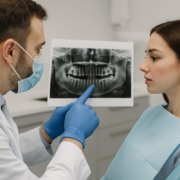
A dentist is showing a patient an x-ray of their jaw, pointing to the area where a bone graft for teeth implant may be needed. No text on image.

Is A Bone Graft For A Dental Implant Always Needed?

A bone graft for teeth implant in South Florida is not always required. Whether you need a graft depends on how much jawbone you still have, how long it’s been since the tooth was lost, the implant type, and your overall health. This post explains when grafts are needed, the common types of bone graft for teeth implant, what to expect during recovery, alternatives, and how to pick the right provider.

What is a bone graft for teeth implant?

A bone graft for teeth implant is a surgical procedure that adds bone or a bone-like material to areas of the jaw with low volume. Dentists use grafts to build a stable base so an implant can be placed and stay secure over time. “Insufficient bone” means the jaw is too thin or short to hold an implant safely; a graft restores height, width, or density.

How dentists decide if you need a bone graft for teeth implant

Clinical exam and imaging

Providers check your mouth, bite, and gum health, then use X-rays and a CBCT scan to measure bone height and width in three dimensions. CBCT gives precise images that show whether an implant will fit and if a graft is needed.

Key risk factors that increase the need for grafting

  • Tooth loss that occurred long ago (bone resorbs over time)
  • Periodontal (gum) disease or active infection
  • Trauma to the jaw
  • Medical issues like uncontrolled diabetes or heavy smoking
  • Previous extractions without ridge preservation

When a bone graft for teeth implant is NOT needed

Grafting can often be avoided when bone volume is adequate or when modern techniques are used. Examples include:

  • Immediate implant placement into a fresh extraction socket with good bone
  • Using short or narrow implants that fit available bone
  • Ridge‑sparing techniques at the time of extraction
  • Minor defects that heal with conservative treatment

Immediate implants and immediate‑load protocols

Immediate implants placed at the time of extraction can preserve bone and sometimes eliminate the need for a graft. Immediate‑load protocols (temporary teeth placed the same day) are possible when initial implant stability is strong and the team is experienced.

Types of bone graft for teeth implant

Autograft (your own bone)

Bone taken from another site in your body (often the chin or hip). Pros: best integration and healing. Cons: requires a second surgical site and longer recovery.

Allograft (donor human bone)

Processed bone from human donors. Widely used because it avoids a second surgery site and offers reliable outcomes when handled properly.

Xenograft and synthetic grafts

Xenografts come from animal sources (commonly bovine) and act as a scaffold for new bone. Synthetic grafts are lab‑made materials. Both are used to maintain volume and often resorb slower than natural bone.

Bone growth factors and membranes

Biologics such as PRF or BMPs and barrier membranes support bone growth and protect grafts during healing. They improve predictability, especially in challenging cases.

What to expect during the bone graft for teeth implant procedure and recovery

Typical steps:

  • Consultation and CBCT imaging to plan graft location
  • Grafting surgery under local anesthesia or sedation
  • Healing and integration (usually 3–6+ months depending on graft type)
  • Staged implant placement after graft has integrated, or same‑day implant in select cases

Common side effects include swelling, mild pain, and bruising. Pain is usually controlled with oral medications. Watch for heavy bleeding, persistent severe pain, fever, or implant mobility—these require prompt follow up.

Alternatives and ways to reduce the need for a bone graft for teeth implant

Options that can avoid grafting include ridge preservation at extraction, socket grafting, short or narrow implants, tilted/angled implants, or zygomatic implants for extreme upper‑jaw loss. Improving health also helps: stop smoking, control blood sugar, and keep good oral hygiene to improve healing and reduce graft need.

How OneSolution® approaches bone graft for teeth implant

OneSolution® evaluates each case with digital planning and a multidisciplinary team led by Dr. Eli Friedman. The network focuses on full‑mouth reconstructions and immediate‑load protocols when safe. With in‑house CAD/CAM zirconia workflows and an on-site lab, OneSolution® aims to shorten treatment time and tailor graft decisions—whether it’s a simple socket graft or a staged autograft—based on individual needs across Plantation, Miami, Palm Beach, Broward, Delray Beach, and Tamarac locations.

Cost, insurance, and timelines to plan for

Factors that affect cost include graft type (autograft costs more), number of sites, need for sedation, and whether implants are staged. Expect graft healing of 3–6 months before implant placement in many cases; some immediate protocols shorten this timeline. Many centers offer financing and warranties on restorations—ask how these apply to your plan.

Frequently asked questions

Will everyone need a bone graft before an implant?

No. The need for a bone graft for teeth implant depends on bone volume, timing since extraction, and health factors. A CBCT and exam provide the answer.

How long does bone grafting add to treatment?

Most grafts add 3–6 months for healing before implant placement. In select immediate cases, grafting may be reduced or avoided.

Are grafts safe and successful?

Yes. When done by trained teams and with proper aftercare, grafts have high success rates. Choosing experienced clinicians and following post‑op instructions lowers complication risks.

Next steps: getting an evaluation

Schedule a consult to get a definitive answer about whether you need a bone graft for teeth implant. To prepare, bring these three questions:

  • What imaging will you use to assess my bone (ask about CBCT)?
  • What graft options do you recommend and why?
  • What is the expected timeline from graft to final restoration?

Whether a bone graft for teeth implant is needed depends on your unique situation. A specialist evaluation gives the clear, personalized plan you need to move forward.

all on 4 dental implants

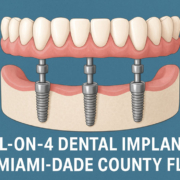
All On 4 Dental Implants By Miami-Dade County, FL: What To Know

If you’re reading about all on 4 dental implants Miami-Dade County, FL, this guide is for you. It explains what the procedure is, who may be a candidate, the step-by-step timeline, costs and insurance basics, risks and benefits, and how to pick a provider. Read on for clear next steps so you can decide if all-on-4 is right for your smile.

What Are All-on-4 Dental Implants?

All-on-4 is a full-arch tooth replacement that uses four (or sometimes more) implants to support a fixed prosthesis. Instead of replacing each tooth, a hybrid implant-supported arch—often made from high-strength zirconia—anchors to those implants for a stable, natural-looking result.

Many patients get an immediate-load temporary prosthesis the same day as surgery. That temporarily protects the implants while you heal, and a final zirconia hybrid is delivered later for long-term function and aesthetics.

Who Is A Good Candidate For All-on-4?

Oral and general health factors

Good candidates generally have:

  • Enough bone volume in key areas (posterior tilt of implants can avoid grafting in many cases)
  • Controlled gum disease or no active infection
  • Stable general health — disclose conditions like diabetes or heart disease
  • Non-smokers or willing to quit (smoking raises failure risk)
  • Realistic expectations about maintenance and follow-up

When All-on-4 might not be right

All-on-4 may not be suitable if you need extensive bone grafting, have severe uncontrolled gum disease, or have heavy bruxism (teeth grinding) that could overload implants. Alternatives include staged single implants, implant-supported bridges, or grafting plus implants—your implant team will recommend the best route.

Procedure Steps and Typical Timeline

Consultation and digital planning

Initial visits use 3D scans and digital smile design to map implant positions and the final prosthesis. This planning reduces surprises and helps create a surgical guide for precise placement.

Day of surgery: extraction, implant placement, immediate temporary prosthesis

On surgery day you may get teeth removed, implants placed, and an immediate temporary prosthesis in one visit. This is often called a one-day reconstruction or immediate-load protocol—patients typically leave with functioning teeth the same day.

Final prosthesis and follow-ups

After healing (often 3–6 months), the temporary is replaced by a final zirconia hybrid. Expect follow-up visits for adjustments and routine maintenance every 6–12 months to check implant health and prosthetic fit.

Benefits and Risks

Key benefits of all-on-4 include improved chewing ability, a shorter overall timeline versus placing many single implants, fewer surgeries in many cases, and excellent aesthetics when using solid-block zirconia.

Risks include infection, implant failure, prosthetic wear or fractures, and the need for adjustments. Most risks are managed by careful planning, good surgical technique, and regular maintenance visits.

Cost, Insurance, and Financing For All On 4 Dental Implants By Miami-Dade County, FL

Costs vary widely. Typical ranges for a full-arch all-on-4 solution can be from mid to high five figures depending on factors like number of implants, whether extractions or grafting are needed, and lab materials such as solid-block zirconia. Insurance often covers extractions and some parts of treatment but rarely pays for the full prosthesis. Many practices offer financing or payment plans—get a personalized quote to understand your options for all on 4 dental implants miami-dade county fl.

How To Choose a Provider Near Miami-Dade County, FL

Look for a team with proven implant experience and digital planning tools. Key signs of a quality provider are board-certified specialists (prosthodontist or oral surgeon), in-house CAD/CAM and 3D workflows, and a record of immediate-load procedures.

Light practice highlight: Dr. Eli Friedman is a board-certified prosthodontist and implantologist who pioneered one-day full-mouth reconstructions and immediate-load protocols. His clinics use in-house CAD/CAM, Ceramill 5-axis milling, solid-block zirconia, and dedicated implant workflows to design and mill durable, aesthetic hybrid prostheses.

Next Steps: Is All-on-4 Right For You?

To move forward, book a consultation for a digital exam and 3D scan. Bring a list of current medications, health conditions, and questions such as expected timeline, materials used for the final prosthesis, and financing options. A focused evaluation will tell you if all on 4 dental implants miami-dade county fl is a safe, effective choice for restoring your smile.

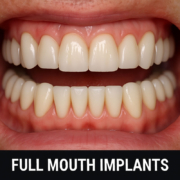
Dental Implant: an Experience with Full Mouth Implants in One Day

Full Mouth Implants can restore your confidence, chewing ability, and oral health quickly. If you’re looking into Full Mouth Implants in West Palm Beach, this article explains the benefits, realistic cost ranges that make one-day, full-mouth reconstructions possible, and how to get a no-surprise estimate. Typical cost ranges vary by case and materials, but expect roughly $25,000–$50,000 per arch for implant-supported restorations and about $50,000–$100,000 for both arches; immediate-load, one-day reconstructions are often on the lower end of that spectrum when planned with in-office milling and streamlined workflows.

The Top Benefits of Choosing Affordable Full Mouth Implants in West Palm Beach

Restore function and comfort

Full Mouth Implants in West Palm Beach let you eat, speak, and smile more like you did with natural teeth. A stable implant-supported arch prevents slipping and gives the biting force needed for most foods, so you can enjoy meals and talk without worrying about dentures.

Long-term oral health benefits

Implants preserve jawbone by providing stimulation where natural tooth roots once were. Choosing Full Mouth Implants in West Palm Beach helps stop bone loss, protects nearby teeth from extra wear, and often lowers long-term dental costs by avoiding repeated denture repairs and future tooth loss.

Confidence and quality of life

A secure, natural-looking smile from Full Mouth Implants in West Palm Beach improves social comfort and day-to-day confidence. Patients commonly report better eating out, clearer speech, and a more active social life after treatment.

Planning and the Treatment Process for Full Mouth Implants in West Palm Beach

Initial exam and digital planning

Care starts with a detailed exam: 3D scans, photos, and a digital plan tailored to your anatomy. For Full Mouth Implants in West Palm Beach, this planning predicts implant positions, prosthesis design, and whether immediate-load (same-day) options are possible.

Common treatment steps

  • Consultation and scans to build a digital plan.
  • Tooth removal and any required bone grafting, when needed.
  • Implant placement using the planned positions.
  • Temporary or final prosthesis attachment, followed by healing and final adjustments.

These steps are coordinated so patients understand timing, costs, and expected recovery.

Same-day vs staged timelines

Immediate-load or one-day full-mouth options allow placement of implants and attachment of a temporary prosthesis in a single visit. Staged approaches separate surgery and final restorations over months to allow healing. Recovery tips for both include soft foods initially, good oral hygiene, and following your clinician’s pain and swelling guidelines. Watch for prolonged fever, heavy bleeding, or severe pain—those warrant prompt contact with your provider.

In-office lab and CAD/CAM benefits

On-site milling and CAD/CAM workflows shorten timelines and lower surprises for Full Mouth Implants in West Palm Beach. When the dental team controls scanning, design, and fabrication, patients get faster turnarounds and clearer pricing up front.

Materials and prosthesis choices that affect longevity

Options include solid-block zirconia and hybrid implant-supported prostheses. Solid-block zirconia is strong, stain-resistant, and aesthetic for final restorations. Hybrid prostheses combine a durable framework anchored to implants with acrylic or porcelain teeth for easier repair. Material choice influences strength, feel, and long-term maintenance costs.

Specialist roles: prosthodontists and implantologists

Prosthodontists and implant specialists plan immediate-load protocols and one-day full-mouth reconstructions to improve predictability. Their training helps match implant positions to prosthetic needs, reducing complications and adjustment time.

Coordinated team approach to reduce unknowns

A coordinated team—surgeons, prosthodontists, and in-house lab technicians—minimizes surprises. Combining digital planning, on-site milling, and experienced lab finishing means a clearer timeline, fewer outside delays, and a more accurate cost estimate before you commit.

Why Choose a Board-Certified Prosthodontist Near West Palm Beach

Specialist credentials and patient benefits

Choosing a board-certified prosthodontist near West Palm Beach gives you care from someone with advanced training in complex restorations. Dr. Eli Friedman, for example, is board-certified with a Tufts DMD and prosthodontics training from Nova Southeastern, and helped pioneer one-day full-mouth reconstructions and immediate-load protocols—experience that improves predictability and outcomes.

In-office technology that improves patient experience

On-site capabilities that help patients include:

  • Ceramill® 5-axis milling for precise prostheses
  • Full CAD/CAM workflow and digital smile design
  • In-house lab for faster adjustments and clearer pricing

Next Steps: Getting a Personalized Estimate for Full Mouth Implants in West Palm Beach

Ready for a clear, itemized plan? Schedule a consultation to review scans, materials, and timeline. Ask for a no-surprise estimate that outlines implant counts, prosthesis type, and any grafting so you can compare financing options. A single visit consult with digital planning often reveals whether a one-day full-mouth reconstruction is right for you—request an appointment to get started.

All On Four Dental Implants: Your Guide By West Palm Beach, FL

If you’re considering a full-arch tooth replacement, this guide explains what to expect with all on four implants west palm beach fl. You’ll learn what “All On Four” means, who is a good candidate, the step-by-step process, benefits and risks, cost and financing basics, and what to expect when you consult with Dr. Eli Friedman at OneSolution®. This guide is for people tired of loose dentures or many failing teeth and who want a long-term, fixed solution near West Palm Beach, FL.

What Are All On Four Implants?

All On Four is a full-arch implant-supported prosthesis that replaces a whole upper or lower set of teeth using four (sometimes more) implants to anchor a fixed bridge. Unlike removable dentures, the prosthesis is screwed or cemented to implants and stays in the mouth. It also differs from single-tooth implants, which replace one tooth at a time. The all-on-four approach restores chewing, speech, and facial support with fewer implants and often avoids complex grafting.

Many practices offer immediate-load protocols, meaning you can get provisional teeth the same day as surgery. Final restorations (often a zirconia hybrid) arrive after healing — usually within a few months — when the implants and gums are stable.

Who Is A Good Candidate For all on four implants by West Palm Beach, FL

Oral health requirements

Good candidates have controlled gum disease or have had it treated, reasonable bone volume in key jaw areas, and healthy soft tissue. The angled implant placement used in all-on-four often uses available bone to avoid grafting, but some patients still need bone grafts or extractions before the final restoration.

Medical and lifestyle considerations

Systemic health matters. Conditions like uncontrolled diabetes or heavy smoking raise risks and can affect healing. Certain medications (bisphosphonates, blood thinners) require coordination with your medical providers. Honest discussion about expectations and habits helps determine safe candidacy.

Age and functional goals

Age alone is not a barrier. Full-arch replacement is usually recommended when many teeth are failing, or dentures no longer meet functional goals. People seeking stable chewing, improved speech, and a long-term smile solution often choose all-on-four over partial treatments.

Step-by-Step: The all on four implants Procedure

Consultation and digital planning

The process begins with a consult and diagnostic imaging. A CBCT scan and digital impressions map bone, nerves, and sinuses. Smile-design software and 3D planning determine ideal implant positions and the provisional prosthesis. This planning guides precise implant placement and helps predict esthetic outcomes.

Surgery and same-day provisional teeth

On surgery day, implants are placed—often four per arch—and a provisional full-arch bridge is attached for immediate function. Expect local anesthesia and sometimes IV sedation. Short-term recovery includes swelling and mild discomfort for a few days. The provisional lets you eat soft foods while implants integrate with bone over 2–4 months.

Final prosthesis and in-office lab workflow

After healing, the provisional is replaced with a permanent prosthesis, frequently a CAD/CAM-milled zirconia hybrid. On-site labs and digital workflows speed adjustments and improve fit. Final restorations offer stronger, stain-resistant surfaces and a natural appearance. The full transition usually occurs within 3–6 months depending on healing and lab timing.

Benefits, Risks, And Long-Term Care

Key benefits

  • Stable chewing and better nutrition compared to dentures
  • Improved speech and facial support
  • Fixed, low-maintenance feel and appearance

Potential risks and how they’re managed

Risks include infection, implant failure, or prosthetic wear. Careful planning, sterile surgical technique, and follow-up care reduce risks. An experienced implant team monitors healing and addresses issues early.

Maintenance and follow-up schedule

Daily home care—brushing, flossing under the prosthesis, and using recommended tools—is essential. Professional exams and cleanings are typically scheduled every 3–6 months initially, then tailored to your needs. Report pain, looseness, or abnormal swelling right away.

Cost, Financing, And How To Compare Options by West Palm Beach, FL

Costs vary by materials, number of implants, need for extractions or grafting, and lab fees. Typical ranges reflect whether provisional and final restorations are included. When comparing quotes, ask what’s included (surgery, provisional, final zirconia prosthesis, follow-ups, and warranties) and whether imaging or lab work is extra.

Common financing options include payment plans, third-party medical financing, and partial insurance coverage for extractions or medical components. Be clear about total out-of-pocket cost and refund/warranty policies.

Why Choose Dr. Eli Friedman and OneSolution® for all on four implants by West Palm Beach, FL

Credentials and experience

Dr. Eli Friedman is a board-certified prosthodontist and implantologist with a DMD from Tufts and postgraduate prosthodontics training from Nova Southeastern University. He pioneered one-day full-mouth reconstructions and immediate-load protocols and has placed thousands of implants with predictable results.

Advanced in-office technology that improves outcomes

OneSolution® uses an in-house lab, Ceramill® 5-axis milling, CAD/CAM zirconia workflows, digital scanning, and smile-design software to deliver customized, high-strength, esthetic restorations. Same-day provisional and streamlined lab work reduce treatment time and improve fit.

What to expect at your consult and next steps

At your consult, expect a CBCT scan, digital impressions, and a review of your medical history. The team will discuss treatment timing, provisional and final prosthesis options, and financing. If you’re ready to move forward, the team will outline a clear timeline and next steps.

Ready to learn if all on four implants by West Palm Beach, FL are right for you? Schedule a consultation with OneSolution® to get a personalized plan and cost estimate.

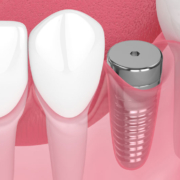
3D close-up illustration of a single dental implant post placed in the jawbone with surrounding gum tissue and adjacent natural teeth.

Advanced Dental Implants in Sunrise FL: Trusted Implant Solutions with Dr. Friedman

Dental implants in Sunrise FL have become a popular and reliable solution for those looking to restore their smile and oral function. Unlike traditional dentures, dental implants provide a permanent and stable foundation for replacement teeth, closely mimicking natural teeth. This innovative solution not only enhances the aesthetics of your smile but also restores chewing and speaking functions, contributing to overall oral health. The implant procedure typically involves the surgical placement of titanium posts into the jawbone, which serve as anchors for artificial teeth. Patients can experience notable improvements in their confidence and quality of life with these stable and long-lasting restorations. With expert implantation and care, dental implants are known to last a lifetime, offering unparalleled value in dental restoration.

In the vibrant city of Sunrise FL, advancements in dental technology have made dental implants a preferred choice for tooth replacement. The consistent results and growing success rate of these procedures underscore their effectiveness. Patients opting for dental implants benefit from minimal bone loss and a more youthful facial structure, as the implants integrate with the jawbone to maintain its density. The popularity of dental implants can be attributed to their durability and comfort, as they eliminate the discomfort and inconvenience associated with dentures. For those considering dental implants in Sunrise FL, it is crucial to choose a dental practice equipped with cutting-edge technology and skilled professionals. This ensures a high standard of care and optimal outcomes tailored to individual needs.

Revolutionizing Implantology with Digital Innovations

The field of dental implants in Sunrise FL has experienced a significant transformation with the incorporation of digital technologies. Modern digital workflows in implantology employ techniques such as digital scanning, CAD/CAM modeling, and advanced milling machines, offering a more streamlined and accurate implant process. Digital scanning allows for precise imaging of the patient’s oral structures, leading to the creation of highly accurate 3D models. This precision enhances the customization of implants, ensuring a perfect fit and natural appearance. CAD/CAM technology further refines the process by facilitating the design and fabrication of dental prosthetics with exceptional accuracy and speed. These digital innovations not only reduce the number of visits required but also increase patient satisfaction with their quick and precise results.

The introduction of advanced milling machines in dental implant procedures enhances the production of precise and high-quality dental prosthetics. These machines utilize state-of-the-art technology to mill implant components with intricate details and perfect alignment, which play a critical role in the success of the implant. In Sunrise FL, the application of these digital techniques has led to more predictable treatment outcomes and heightened patient trust in implant procedures. Emphasizing technology-driven care, dental practitioners can effectively plan and execute implant placements, minimizing the risks and maximizing the functionality of the prosthetics. As dental technology continues to evolve, patients can look forward to even more refined and exceptional dental implant experiences.

Innovation in Implant Restoration Materials and Techniques

When it comes to dental implants in Sunrise FL, the choice of materials and restoration techniques is crucial for achieving optimal results. Advanced materials such as zirconia are gaining popularity due to their high strength, durability, and natural appearance. These metal-free, stain-resistant options provide a more aesthetic solution and are ideal for patients with metal sensitivities. Developments in hybrid implant-supported prosthesis systems offer greater flexibility and improved oral health outcomes. These systems integrate the stability of implants with the aesthetics of prosthetics, providing a durable, functional, and visually appealing restoration.

Immediate-load protocols are another procedural advancement in implant dentistry that allows for the placement of prosthetic teeth shortly after implant insertion. This approach reduces treatment time and enhances patient satisfaction by delivering quicker results. Dental implants in Sunrise FL are crafted to meet the unique needs of each patient, utilizing these cutting-edge materials and techniques. Such personalized restorations enhance the functionality and longevity of the implants, ensuring that patients enjoy an improved quality of life. By staying at the forefront of dental technology, we ensure that our patients receive state-of-the-art implant solutions tailored to their specific needs.

Dr. Eli Friedman’s Expertise and Advanced Practice Offerings

Capitalizing on years of expertise as a renowned implantologist, Dr. Eli Friedman brings unparalleled knowledge and skill to dental implants in Sunrise FL. His extensive experience and advanced training in prosthodontics and implantology make him a leading figure in the field. Known for pioneering one-day full-mouth reconstructions, Dr. Friedman is at the cutting edge of dental advancements. His practice is equipped with a state-of-the-art in-house dental laboratory, complete with the Ceramill® 5-axis milling machine and customized CAD/CAM workflows. These tools enable him to deliver precise, efficient, and personalized treatment outcomes for each patient.

Recognizing the importance of patient comfort, Dr. Friedman offers a range of sedation options to ensure a relaxed and anxiety-free dental experience in Sunrise FL. Understanding that financial considerations play a vital role in accessing dental care, Dr. Friedman provides flexible financing options, making top-tier implant solutions accessible to all. Are you ready to restore your smile at our skilled and trusted dental practice? Don’t wait to get the smile of your dreams with us. Get in contact with our doctor, Dr. Eli Friedman, and our exceptional team at our practice to schedule an appointment today!

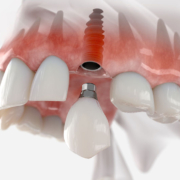
3D illustration of a dental implant with an abutment and crown placement in the upper jaw, showing integration with surrounding teeth and gums."

Enhancing Smiles with Dental Implants in Fort Lauderdale, FL: Expert Implantology Insights

Dental implants in Fort Lauderdale, FL, offer a transformative solution for individuals seeking to restore their smiles effectively. These implants not only enhance aesthetic appeal but also offer a permanent solution compared to traditional dentures or bridges. As an artificial tooth root, they provide a sturdy foundation upon which prosthetic teeth are fixed, closely resembling natural teeth both in function and appearance. Dental patients increasingly prefer this method due to its durability and life-like appearance. Moreover, Fort Lauderdale boasts a variety of specialists who excel in implantology, ensuring that patients receive state-of-the-art treatments tailored to their needs. This makes the city an excellent destination for those seeking dental rejuvenation through implants.

Understanding the implantation process is essential for anyone considering this restorative dental procedure. The journey begins with a comprehensive consultation where a detailed assessment of the oral environment is undertaken. This involves advanced imaging techniques to evaluate bone density and structure, ensuring optimal placement of the implant. Typically, the process progresses over several months, with the initial procedure including the placement of the implant into the jawbone. Then, a period of osseointegration follows, where the implant fuses with the bone, creating a solid anchor. This meticulous process ensures that the resulting placement is as natural and functional as possible, offering a confident and enduring smile.

The Multiple Benefits of Dental Implants for Your Oral Health

Dental implants offer a myriad of benefits that extend beyond mere aesthetics, playing a crucial role in enhancing oral health and functionality. Unlike removable dentures, implants act like natural teeth, allowing for better oral hygiene since spaces between these are easily accessible for cleaning. They also prevent the bone loss that often accompanies missing teeth, thereby maintaining facial structure and preventing premature aging. For individuals who have felt self-conscious about their smile, implants provide a significant boost in self-esteem and confidence. Through this revolutionary dental solution, individuals can enjoy life without worrying about unstable dentures or restricted diets. The benefits of dental implants truly position them as a leading choice for those seeking sustainable dental health solutions.

The advancements in dental technology have made the process of receiving dental implants more efficient and comfortable. Modern techniques now incorporate cutting-edge digital imaging and milling technologies, offering precision and personalized treatment plans. This not only streamlines the treatment process but also enhances the final results, ensuring that each prosthetic tooth aligns perfectly with the natural structure. Patients benefit from minimally invasive techniques, resulting in reduced post-operative discomfort and faster recovery times. These innovations reflect the progressive nature of dental care in Fort Lauderdale, where specialists like Dr. Eli Friedman are at the forefront, providing premier service shaped by contemporary advancements.

Leveraging Innovative Implant-Supported Prosthetic Solutions

Innovations in implant-supported prostheses continue to evolve, providing patients with even more options to tailor their dental restorations. These advancements mean that the prostheses now offer a heightened degree of adaptability and comfort, which are significant improvements over older designs. Dentists now incorporate advanced materials that mimic the translucence and resilience of natural enamel while also being biocompatible with the body. These innovative developments ensure that patients receive prosthetics that not only look great but also feel natural. This technology advancement is instrumental in promoting long-term oral health and overall patient satisfaction. Furthermore, these advanced prosthetic options signify a shift towards more sustainable and patient-centric dental care.

Dr. Friedman, a renowned leader in implantology in Fort Lauderdale, offers various sedation options to help patients overcome anxiety. Recognizing that dental procedures can be daunting, Dr. Friedman provides tailored sedation strategies to ensure a relaxed and anxiety-free experience. By offering a calming atmosphere alongside various oral and intravenous sedation techniques, he prioritizes patient comfort, thereby revolutionizing the dental implant journey for many. Additionally, Dr. Friedman understands that financial considerations can be a barrier for some patients, which is why flexible financing solutions are available. This commitment to accessibility ensures that patients do not have to compromise on quality dental care due to financial constraints.

Discover Dr. Eli Friedman’s Unique Approach to Implantology

Dr. Eli Friedman operates with a distinctive approach through the OneSolution® Implant Centers in Fort Lauderdale, offering a comprehensive package that addresses all patient needs under one roof. His methodology ensures that patients receive cohesive care, from initial consultation to final placement. The OneSolution® approach streamlines the process, reduces treatment time, and minimizes the number of visits required, which can be especially appealing for busy individuals. This all-in-one service model not only enhances patient convenience but also ensures consistent care and communication throughout the treatment lifecycle. By centralizing the implant process, Dr. Friedman guarantees quality results and a seamless patient experience.

Are you ready to restore your smile at our skilled and trusted dental practice? Don’t wait to get the smile of your dreams with us. Get in contact with our doctor, Dr. Eli Friedman, and our exceptional team at our practice to schedule an appointment today!

Join us at OneSolution® and let us pave the path toward a confident, healthy smile. With cutting-edge technology and personalized care, you’re in expert hands every step of the way. Embrace a future filled with laughter and satisfaction, knowing that you’ve chosen a team dedicated to excellence in implantology. Schedule your consultation today and take the first step towards transforming your dental health and uplifting your confidence. We’re here to ensure that your journey to a radiant smile is as smooth and rewarding as possible.