
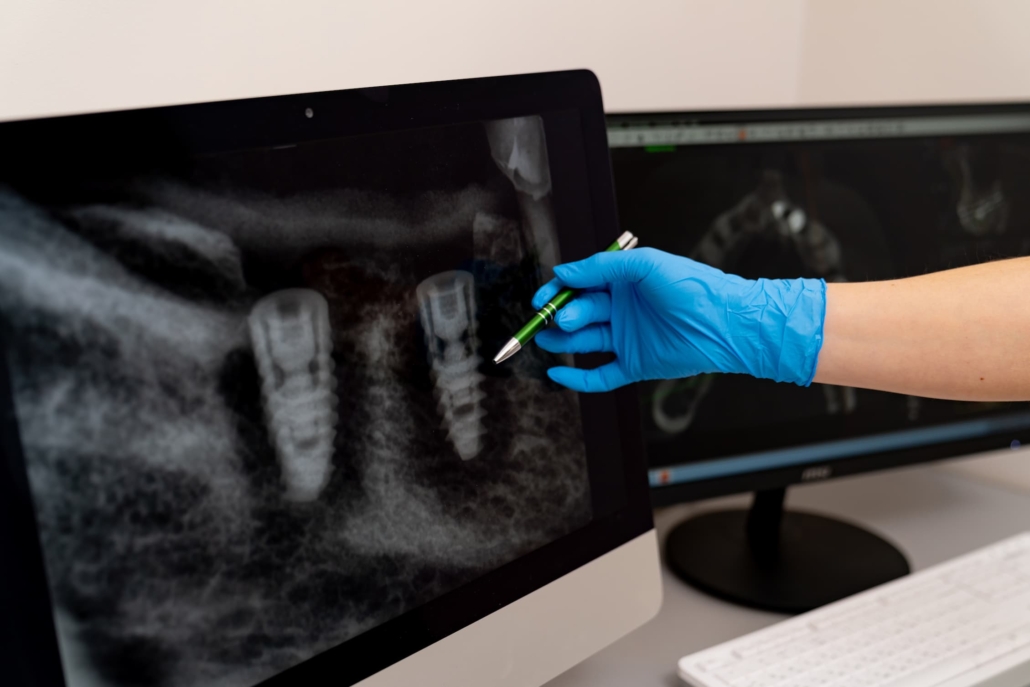
Do Dental Implants Hurt? What to Expect During & After Implant Surgery
If you’re considering dental implants, one of the first questions you may have is: Do dental implants hurt?
The short answer is that most patients experience little to no pain during the dental implant procedure itself because the treatment area is thoroughly numbed. Afterward, some soreness, swelling, and tenderness are normal as your mouth heals, but these symptoms are generally temporary.
Understanding what happens before, during, and after implant surgery can make the process much less intimidating.
Are Dental Implants Painful During the Procedure?
Dental implant surgery should not be painful while it is being performed.
Before treatment begins, your dental implant team will use anesthesia to numb the treatment area. Depending on your procedure, treatment plan, and individual needs, additional sedation options may also be available.
You may notice pressure, vibration, or movement during the procedure, but these sensations are different from sharp pain.
The experience can also vary depending on the extent of treatment. Placing a single implant is different from replacing an entire arch of teeth. Patients considering full-mouth dental implants should discuss exactly what to expect with their implant team before treatment.
How Much Pain Is Normal After Dental Implant Surgery?
Once the anesthesia begins to wear off, it is normal to experience some discomfort around the surgical area.
Common temporary symptoms can include:
- Tenderness around the implant site
- Gum soreness
- Minor bleeding or oozing
- Facial or gum swelling
- Bruising
- Sensitivity when chewing
- Jaw soreness
The amount of discomfort varies from patient to patient and depends partly on how extensive the procedure was.
For example, a patient receiving one implant may have a different recovery experience from someone undergoing multiple extractions and full-arch implant treatment.
What Does Dental Implant Pain Feel Like?
After implant surgery, patients commonly describe the sensation as soreness or tenderness rather than severe pain.
You may notice discomfort around the gums or jaw, especially when eating, talking, or touching the surgical area.
Following your dentist’s post-operative instructions is important during this period. These instructions may include recommendations regarding oral hygiene, food choices, activity, and medications.
How Long Does Dental Implant Pain Last?
Post-surgical discomfort should generally improve as healing progresses.
The first few days are typically when swelling and tenderness are most noticeable. After that, symptoms should trend in the right direction rather than becoming progressively worse.
Keep in mind that the implant itself also needs time to integrate with the surrounding bone. This biological process is one of the reasons dental implants can provide such a stable foundation for replacement teeth.
If you’re interested in the long-term side of treatment, read our guide to permanent dental implants.
Does Full-Mouth Dental Implant Treatment Hurt More?
Full-mouth treatment is more extensive than replacing a single tooth, so the recovery experience can be different.
However, treatment is carefully planned to keep patients comfortable during the procedure. Your implant team can explain what type of anesthesia or sedation may be appropriate, what your initial recovery should look like, and how to manage temporary post-operative discomfort.
Patients considering replacing an entire arch can learn more in our guide to full-mouth dental implants.
For some patients, an All-on-4 dental implant approach may also be considered depending on their anatomy and treatment needs.
What If I Need a Tooth Extraction or Bone Graft?
Not every implant procedure is identical.
Some patients require tooth extractions before implant placement. Others may need additional procedures to create sufficient bone support for an implant.
These additional procedures can affect your recovery, which is why online descriptions of another person’s implant experience don’t necessarily predict yours.
Advanced implant solutions may also be available for patients with significant bone loss. For example, OneSolution offers information about zygomatic implants for appropriate candidates.
A comprehensive evaluation is the best way to understand what your individual procedure could involve.
When Is Pain After a Dental Implant Not Normal?
Some soreness after oral surgery is expected. However, pain that becomes significantly worse rather than better deserves attention.
Contact your dental provider if you experience symptoms that concern you, particularly severe or increasing pain, excessive bleeding, significant swelling, fever, drainage, or other unexpected changes.
Persistent discomfort after the initial healing period should also be evaluated rather than ignored.
Are Dental Implants Worth the Recovery?
For appropriate candidates, dental implants can provide significant functional and quality-of-life advantages.
Unlike removable tooth-replacement options, implants are designed to create a stable foundation for replacement teeth. Depending on the treatment, they may help patients regain confidence when eating, speaking, and smiling.
Learn more about the benefits of dental implants and whether implant treatment could be appropriate for you.
Frequently Asked Questions About Dental Implant Pain
Are dental implants painful?
The procedure itself is performed using anesthesia, so patients should not feel sharp pain during implant placement. Temporary soreness and swelling afterward are normal parts of surgical recovery.
How bad does a dental implant hurt afterward?
The experience varies. Many patients experience temporary soreness or tenderness that improves as the surgical site heals.
Does getting a full mouth of dental implants hurt?
Full-mouth treatment is more extensive than single-implant treatment, but anesthesia and appropriate comfort measures are used during the procedure. Your expected recovery depends on the procedures included in your treatment plan.
Is throbbing pain normal after a dental implant?
Some temporary discomfort can occur after surgery. Severe, worsening, or persistent pain should be discussed with your dental provider.
When should I call my dentist after implant surgery?
Contact your provider if symptoms are severe, unexpected, worsening instead of improving, or otherwise concerning.
Find Out What Dental Implant Treatment Could Be Like for You
Fear of pain shouldn’t prevent you from learning whether dental implants could help restore your smile.
Every patient’s situation is different. The best way to understand the procedure, expected recovery, treatment options, and costs is through an individual evaluation.
If you’re considering implant treatment, explore OneSolution’s information about dental implant costs and treatment options and schedule a consultation to discuss your smile.
Leave a Reply
Want to join the discussion?Feel free to contribute!