
Understanding Full Mouth Dental Implants: An Informative Overview
Thinking about full mouth dental implants? This overview answers the common question “Can you get full mouth dental implants?” and explains who they help, what the process looks like, and how to handle costs and insurance. Read on for clear steps you can take next, including when to get imaging and when to schedule a consultation.
What Are Full Mouth Dental Implants?
Full mouth dental implants replace all or most teeth in one or both arches using multiple dental implants that anchor a fixed prosthesis. Unlike removable dentures, implant‑supported prostheses restore chewing strength, speech, and a natural look. Options range from hybrid prostheses (acrylic on metal) to full solid zirconia bridges. Treatment can be staged or performed with immediate‑load protocols that provide temporary teeth on the day of surgery when clinically appropriate.
Detailed Steps in the Full Mouth Implant Surgery Process
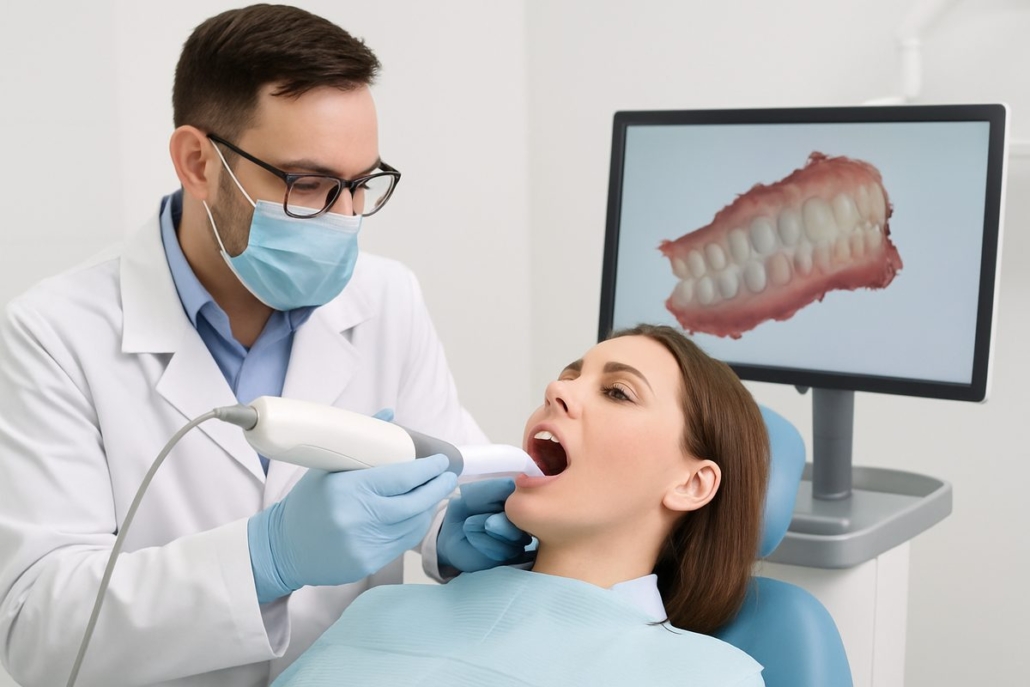
The treatment typically follows these steps: consultation and digital scans, 3D planning, extraction of failing teeth (if needed), implant placement, and attachment of a temporary or final prosthesis. Healing time varies; some patients receive immediate teeth while others wait for osseointegration before final restorations. Advanced tools like CBCT scans, guided surgery, and in‑house milling help speed the process and improve fit.
Can You Get Full Mouth Dental Implants? Who Is a Candidate
Short answer: often yes, but candidacy depends on health, jawbone condition, and lifestyle. Saying “can you get full mouth dental implants” is the right first step — the final answer comes after an exam and imaging. Here are the key factors clinicians review.
General health and medical conditions
Chronic conditions like diabetes, heart disease, or autoimmune disorders can affect healing. Well-controlled diabetes or stable heart disease does not automatically disqualify you, but physicians’ clearance is often recommended. Certain medications (bisphosphonates, some immunosuppressants) raise risk and require careful planning or consultation with your doctor.
Jawbone and gum health
Adequate bone volume and healthy gums are critical. Long‑term tooth loss or periodontal disease can cause bone loss, which may require bone grafts or sinus lifts before implants. Modern CBCT/digital scans let clinicians measure bone precisely and plan whether additional grafting or angled implants can avoid extra procedures.
Age, smoking, and lifestyle factors
Age alone is not a barrier; many older adults successfully receive full-mouth implants. Smoking and poor oral hygiene increase complications and slow healing. Patients who quit smoking, improve oral care, and follow post‑op instructions have much better outcomes.
When immediate‑load (Teeth in a Day) is possible
Immediate‑load or “Teeth in a Day” is an option when bone quality is good, implants achieve strong primary stability, and the case is carefully planned digitally. Not every patient qualifies, but when the criteria are met, you can leave surgery with temporarily fixed teeth and return later for final restorations.
Getting an exam with CBCT imaging is the only reliable way to confirm whether you can get full-mouth dental implants for your specific situation.
Can You Get Full Mouth Dental Implants? Costs, Insurance, and Payment Options
Many people ask, “Can you get full mouth dental implants?” and then quickly want to know what it costs. Price varies widely based on clinical needs and the materials chosen. Below are the main factors that affect affordability and how to manage costs.
Key cost drivers
- Number and type of implants placed (more implants = higher cost)
- Bone grafting or sinus lifts, when needed
- Type of prosthesis (solid zirconia is pricier than acrylic hybrid options)
- Lab work and custom milling for a precise fit
- Use of immediate‑load protocols and additional surgical guides
Insurance and coverage basics
Most dental plans limit coverage for implants and often treat parts of the process (like extractions) differently from restorative work. Medical insurance rarely covers implants unless there’s a documented medical need. Ask your insurer about pre‑authorization and get treatment codes in writing to avoid surprises.
Financing and payment plans
Many practices offer in‑house financing, third‑party lenders, or medical credit cards to spread payments over time. Some patients combine savings, insurance benefits, and financing to make treatment manageable. Ask for examples of monthly costs to compare options.
Getting a transparent estimate
Request an itemized treatment plan after scans and consultation. A clear estimate lists implant fees, grafting, prosthesis type, lab charges, and follow‑up visits so you know exactly what you’re being charged for and can compare providers fairly.
Schedule a Consultation with Dr. Eli Friedman, Implant Specialist
OneSolution Dental Implant Centers specializes in full-mouth reconstructions and immediate-load protocols, delivered when clinically appropriate. Led by Dr. Eli Friedman and a multidisciplinary team, the centers use digital planning, in‑house milling, and solid‑block zirconia options to deliver durable, aesthetic outcomes. If you’re asking, “Can you get full mouth dental implants?” Schedule a consultation for CBCT imaging, a personalized treatment plan, and a transparent, itemized estimate.
If you want to move forward, book an exam and 3D scan so your provider can confirm candidacy and outline next steps tailored to your health, bone anatomy, and budget.


Leave a Reply
Want to join the discussion?Feel free to contribute!