
Dental Implants: Are They Right For You in Miami-Dade County, FL?
Deciding whether dental implants are right for you can feel overwhelming. This guide will help you understand what dental implants are, who makes a good candidate, the types of treatments available, what to expect during the process, and how to manage costs. If you’re researching dental implants in Miami-Dade County, FL, this post focuses on practical factors to help you make an informed choice and prepare for a consultation.
What are dental implants, and how do they work?
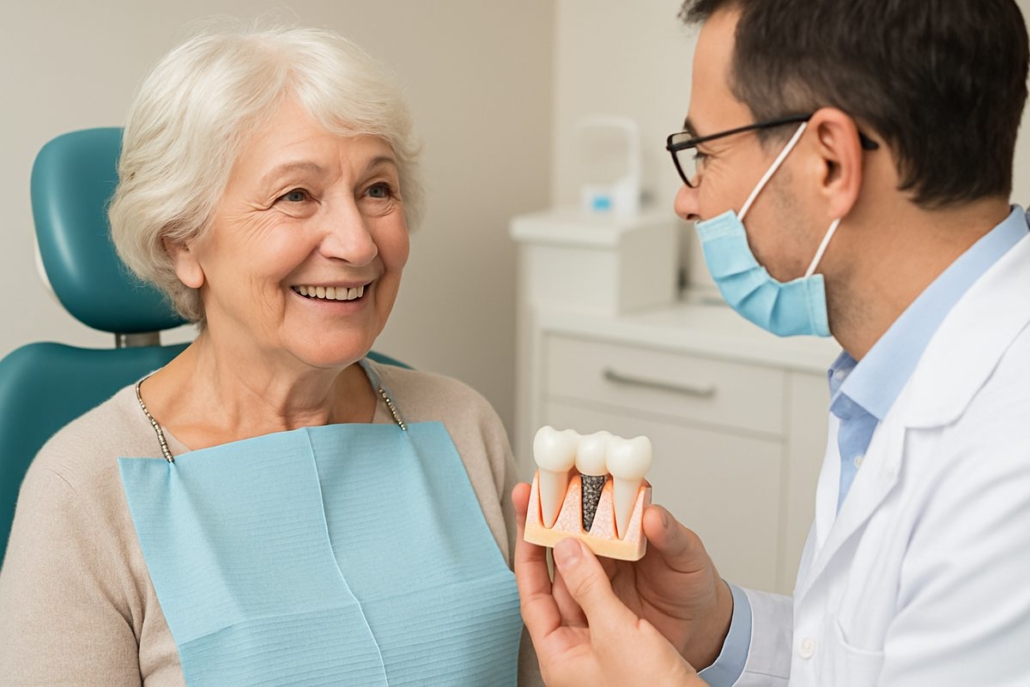
A dental implant is a small titanium (or zirconia) post placed in the jaw to replace a missing tooth root. An abutment connects the implant to a final crown, bridge, or denture. Over several months, the implant fuses to the bone through osseointegration — a natural process that creates a stable foundation for replacement teeth. Main benefits include restored chewing function, improved appearance, preservation of jawbone, and clearer speech.
Common reasons people choose dental implants in Miami-Dade County, FL
People choose dental implants for a single missing tooth, several missing teeth, or a full-arch solution. Implants are often chosen instead of removable dentures or traditional bridges because they are more stable, reduce bone loss, and don’t require grinding down healthy adjacent teeth. Many patients in Miami-Dade County prefer implants for long-term comfort and function.
Who is a good candidate for dental implants in Miami-Dade County, FL
Good candidates generally have healthy gums and enough jawbone to support implants. Smoking, uncontrolled diabetes, certain medications (like long-term bisphosphonates), and active gum disease can raise the risk of complications. Age alone is rarely a barrier — older adults often do well if their overall health and bone levels are adequate. When the bone is thin, bone grafting or sinus lifts can create the volume needed for reliable implant placement.
Types of implant treatments to consider
Single-tooth implant and crown
A single implant replaces a single missing tooth without altering the neighbors. Recovery is usually straightforward: placement, a healing period for osseointegration, then a final crown. Most patients return to normal activities within a few days and regain full function once the final crown is placed.
Implant-supported bridge
When several adjacent teeth are missing, two or more implants can support a bridge. This avoids shaving down healthy teeth as a traditional bridge would, and it delivers stronger chewing power and better long-term bone support.
All‑on‑4 / immediate-load full‑arch solutions
All‑on‑4 and similar immediate-load protocols use multiple implants to support a full arch of fixed teeth, often placed and provisionally loaded in one visit when clinically suitable. These solutions help patients regain function quickly and are a common choice for people replacing all upper or lower teeth.
Zirconia, hybrid, and material choices
Materials affect strength and appearance. Solid-block zirconia prostheses are strong, stain-resistant, and metal-free. Layered porcelain offers excellent aesthetics but can chip if not designed correctly. Hybrid prostheses combine a metal or titanium substructure with acrylic or layered teeth for a balance of cost and repairability. Your prosthodontist will recommend options based on function and esthetic goals.
What to expect during the treatment process
Expect a consult first, including medical history and oral exam. Digital scans and a CBCT (3D) image help map bone and vital structures. A treatment plan will outline the number of implants, the need for grafting, and the timeline. Surgical placement may be done with local anesthesia, sedation, or IV sedation, depending on the case. After placement, there is a healing phase for osseointegration, followed by a final restoration. Many practices use digital planning, in‑house labs, and same‑day workflows when safe, which can shorten the timeline from months to weeks in some cases.
Risks, recovery, and how to care for implants long term
Short-term risks include infection, swelling, bleeding, and, very rarely, implant failure. Watch for severe or increasing pain, pus, or loose fixtures and notify your provider. Early recovery tips: rest, ice, soft foods, and follow prescribed antibiotics or pain meds. Long-term care involves excellent oral hygiene — brushing, interdental cleaning around implants, and regular professional cleanings. Routine checkups let your team monitor bone levels and spot peri-implant disease early to protect long-term success.
Cost, insurance, and financing for dental implants in Miami-Dade County, FL
Cost drivers include the number of implants, the need for bone grafts or sinus lifts, the choice of prosthetic material, and lab work. Single implants with a crown cost differently from full-arch All‑on‑4 solutions. Many dental plans limit implant coverage or only cover part of the restorative work. Common financing options include in‑house payment plans, third‑party lenders (such as CareCredit and similar), and low-monthly-payment programs. Ask your provider for a written estimate and breakdown so you can compare options.
How to choose the right implant provider near Miami-Dade County, FL
Ask about credentials: prosthodontists, oral surgeons, and periodontists have specialized training in implant care. Inquire about years of experience, professional affiliations, and continuing education. Ask to see before-and-after photos and patient case studies. Important facility and tech questions: Do they use CBCT imaging? Do they have digital planning software? Is there an in‑house lab or advanced milling equipment for precision restorations? Discuss success rates, follow-up care, and warranties for prostheses.
Why some patients choose OneSolution® for implant care
OneSolution® Dental Implant Centers focuses on full-mouth reconstructions and immediate‑load protocols when clinically appropriate. Led by Dr. Eli Friedman and a specialized team, the network emphasizes digital planning, an in‑house lab, and high‑strength zirconia prostheses. Technologies include Ceramill® 5‑axis milling, CAD/CAM workflows, and smile‑design software. OneSolution® offers financing options, quick turnaround from its lab, and a lifetime warranty on select zirconia cases, which many patients find valuable.
Next steps: Are dental implants in Miami-Dade County, FL, right for you?
To prepare for a consult, bring a list of medical conditions and medications, along with any prior dental records or X-rays. Ask questions about the number of implants recommended, timelines, alternative options, expected costs, and warranty terms. If you’re considering dental implants in Miami-Dade County, FL, schedule an evaluation or virtual consult to review your CBCT scan and receive a personalized plan. Be sure to discuss financing during your visit so you can move forward with confidence.


Leave a Reply
Want to join the discussion?Feel free to contribute!