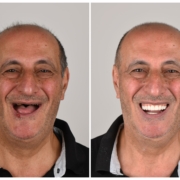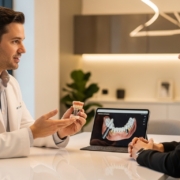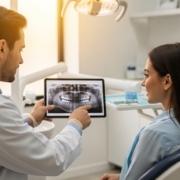
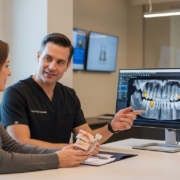
Dentist discussing dental implant options with a patient in a modern setting.

Exploring Nuvia vs. Private Practice for Dental Implants

Losing a tooth can be a distressing experience, affecting not just your appearance but also your confidence and overall oral health. Dental implants have emerged as the most effective solution to restore both the function and aesthetics of your teeth. In deciding where to get your implants, you might find yourself comparing options like Nuvia and private dental practices. Each option offers unique benefits catered to different patient needs. Let’s explore these options to help you make the best choice for your smile restoration journey.

Achieving Your Smile Goals with Dental Implants

Dental implants are a revolutionary solution for those who have lost one or more teeth, providing a durable, natural-looking replacement that integrates with the surrounding bone. Not only do they help with aesthetic concerns, but they also restore full functionality, allowing you to eat, speak, and laugh without worry. Choosing the right dental provider is critical to ensuring a successful outcome, as it involves evaluating factors such as the provider’s experience, the materials used, and the overall treatment approach. The right provider will understand your unique needs and create a treatment plan tailored to your specific smile goals. OneSolution specializes in comprehensive dental solutions tailored to individual needs, ensuring that every patient leaves with restored confidence.

Understanding Nuvia Dental Implant Centers

Nuvia is a well-known name in dental implants, offering a streamlined, efficient approach to simplify the implant process. They focus on providing All-on-4 and full-arch solutions, enabling patients to receive a new set of teeth in a shorter timeframe. Nuvia’s claim to fame is its ability to provide teeth replacement in a single day with minimal office visits. This is highly appealing to many patients looking for convenience and speed. Furthermore, Nuvia’s facilities are equipped with modern technology and staffed by specialists focused on optimizing patient flow and outcomes. While their process is efficient, some patients may find the experience less personalized due to the practice’s high-volume approach.

Advantages of Choosing a Private Practice

Private dental practices, like those led by Dr. Eli Friedman, often emphasize personalized care and flexibility in their services. Dr. Friedman’s strategy revolves around customizing treatment plans tailored to individual patient needs. They take into consideration factors such as bone health, patient lifestyle, and long-term oral health goals. Private practices also offer extended consultations, which have become a cornerstone of patient-centered care, ensuring every question and concern is addressed before treatment begins. Moreover, the relationship between the practitioner and the patient often extends beyond treatment, facilitating seamless routine follow-ups and any necessary adjustments in care.

Comparing Treatment Options: Nuvia vs. Private Practices

When comparing the actual treatments offered by Nuvia and private practices like Dr. Friedman’s, the choices may vary significantly. Both offer All-on-X implants and high-quality zirconia teeth; however, Nuvia focuses heavily on speed and volume, which may involve a more standardized treatment approach. In contrast, private practices tend to offer more varied options, taking time to assess bone density and other individual factors before proceeding. This difference often translates into variations in recovery times and patient satisfaction. Additionally, procedures such as extractions or bone grafting, which may not always be standard at mass-oriented centers, are part of the comprehensive services offered by a private practice to ensure optimal conditions for successful implantation.

Determining Costs and Value: Nuvia vs. Private Practices

The cost of dental implants can vary widely depending on the complexity of the procedure, the materials used, and the geographic location. While Nuvia might offer competitive pricing due to its streamlined processes and high volume, private practices often charge based on the level of personalization and the extent of care provided. Factors such as the need for bone grafting, the duration of the procedure, and additional sedation options can impact the overall cost. Patients should consider what value they seek—be it the convenience of rapid treatment at Nuvia or the comprehensive, tailored approach in a private setting.

Patient Comfort and Experience: What’s Different?

Patient comfort is a paramount consideration in choosing between a dental implant center like Nuvia and private practices. From the office ambiance to the staff’s approach, each setting offers a distinct experience. At Nuvia, the environment is designed for efficiency with a focus on quickly getting patients through the procedure. Conversely, private practices such as Dr. Friedman’s endeavor to create a calming, supportive environment, complete with the use of IV sedation options to alleviate anxiety. Patients report feeling more at ease with extended visits and a team that provides ample time for adjustments, questions, and reassurance throughout the process.

Advanced Technology in Dental Implants

Innovative technology plays a crucial role in the success of dental implants. Nuvia boasts cutting-edge equipment designed to reduce recovery time and enhance precision in implant placement. Meanwhile, private practices often integrate advanced imaging and diagnostic tests to tailor treatment plans for each patient. Eli Friedman’s practice, for instance, uses state-of-the-art technology throughout the procedure, from planning to implantation. This assures patients of meticulous attention to the unique contours of their oral anatomy, potentially leading to a more seamless integration and long-lasting results.

Lifetime Warranty and Follow-Up Care

The promise of lifelong commitment to oral health is reflected in the warranty and follow-up policies in dental practices. Both Nuvia and private practitioners like Dr. Eli Friedman offer warranties on the implants. However, the depth of follow-up care often varies. While Nuvia might focus on initial adjustments post-implant placement, private practices tend to offer a more comprehensive aftercare program, emphasizing long-term health and regular check-ups to monitor implant stability. This difference ensures that private practice patients often have continued access to dental health resources, potentially reducing complications down the line.

FAQ Section

  • How long does it take to get dental implants? The timeline for receiving dental implants can vary. At centers like Nuvia, the process is expedited, potentially resulting in single-day procedures. Private practices may require several visits over months, depending on individual needs.
  • What does All-on-X mean? All-on-X refers to full-arch restorations supported by a variable number of implants, providing stability for a complete set of dentures.
  • Is sedation safe for dental procedures? Yes, sedation, including IV sedation used in practices like Dr. Friedman’s, is administered by trained professionals to ensure patient safety and comfort during procedures.
  • Why do costs for implants vary so much? Implant costs can vary based on factors such as materials, sedation options, and individual customization needs. Each practice may also have its pricing based on the comprehensiveness of its services.
  • Should I expect any discomfort after getting implants? Some discomfort is normal after implant surgery and is typically managed with medications, easing as the site heals under regular care from your practitioner.

Take the Next Step with Dr. Eli Friedman

If you’re considering dental implants and want personalized, patient-focused care attentive to your unique needs, schedule a consultation with Dr. Eli Friedman. With locations in Plantation, Palm Beach, Miami, and Orlando, FL, they are ready to help you achieve your smile goals with cutting-edge technology and compassionate care. Contact us today and take the first step toward restoring your beautiful smile with confidence.

All on Four Implants in Plantation: What to Expect

Dental implants can be life-changing, offering a permanent solution to missing teeth. If you’re considering All on Four implants in Plantation, you’re probably curious about what the process involves and how it can benefit you. This guide will walk you through everything you need to know about All on Four implants, especially if you’re looking for a trusted practice like Dr. Eli Friedman’s office.

Understanding All on Four Implants in Plantation

All on Four implants represent an innovative approach in implant dentistry, primarily utilized to replace a full arch of teeth with minimal implants. For Plantation residents, this method has become a preferred solution due to its efficiency and comfort.

Introduction to All on Four Implants

All on Four implants provide a secure, durable, and aesthetically pleasing alternative to traditional dentures. This method uses four strategically positioned implants in each jaw to support a full arch of prosthetic teeth.

Why Plantation Residents Prefer All on Four

In Plantation, the demand for All on Four implants has risen due to their functional benefits and the natural look they provide. Residents find comfort in a single-visit solution that offers immediate improvement in appearance and oral functionality.

The All on Four Implant Procedure

Undergoing the All on Four procedure involves several meticulous steps, ensuring precision and patient satisfaction.

Detailed Steps of the Procedure

The first part of the journey is a comprehensive evaluation and digital imaging to assess bone health and structure. Implants are then placed strategically, followed by an immediate, beautiful arch restoration.

Timeline and Recovery Phases

Patients will typically experience a short recovery period of a few days, with most individuals returning to normal activities within a week.

Why Choose Implant Dentistry in Plantation

Choosing the right location for your dental implants matters. Plantation offers unparalleled benefits in advanced implant dentistry.

Benefits of Local Expertise

Dr. Eli Friedman’s practice is celebrated for its expertise and experience in dealing with complex implant cases, ensuring personalized care for each patient.

Advanced Technology and Patient Care

The practice uses state-of-the-art technology such as digital scanners and planning software to enhance accuracy and patient comfort during procedures.

Comparison Between All on Four and Other Implant Options

While All on Four is popular, patients often compare it with other methods like traditional implants and dentures.

Differences in Procedures and Outcomes

Traditional implants require more procedures and longer healing times, whereas All on Four minimizes these, offering faster, less invasive treatment.

What to Expect During Your All on Four Implant Journey

Understanding the process can alleviate anxiety and prepare you for successful treatment outcomes.

Initial Consultation and Evaluation

Your first appointment will include a detailed assessment and consultation to tailor a plan fit for your specific dental needs.

Post-Procedure Care and Maintenance

Proper hygiene and regular check-ups are essential, and our team will guide you on best practices post-treatment to maintain optimal results.

Cost and Financing Options for All on Four Implants

Discussing financials is crucial in planning your dental health improvements responsibly.

What Influences the Cost

Factors include material choices such as zirconia teeth, the complexity of extraction needs, and other individualized considerations.

Available Financing Plans

We offer several funding solutions to make All on Four accessible, including convenient payment plans and dental financing options.

FAQs About All on Four Implants

To aid in your decision-making, here’s a list of common questions asked by our patients:

  • What makes All on Four different from dentures? All on Four provides a permanent, non-removable solution that looks and feels like natural teeth.
  • Is the procedure painful? Most discomfort is managed with local anesthesia, and any postoperative pain is usually mild.
  • How long do the implants last? With proper care, All on Four implants can last many decades, supported by a lifetime warranty.
  • What should I eat after the procedure? Soft foods are recommended initially, with a gradual return to a regular diet.

Advanced Comfort Measures and Patient Care

Creating a soothing environment and providing comprehensive patient care is paramount.

Use of IV Sedation and Patient Comfort

For those with dental anxiety, IV sedation is an option to ensure the procedure is stress-free.

Lifetime Warranty and Follow-Up Care

We stand behind our work, offering a lifetime warranty on implants and ongoing care to ensure lasting satisfaction.

Schedule Your Consultation with Dr. Friedman in Plantation

Ready to enhance your smile predictably and professionally? Schedule your consultation with Dr. Eli Friedman at our Plantation office today. Experience comprehensive, compassionate care focused on your unique needs.

What Are Screwless Dental Implants? Benefits, Drawbacks. and Who They’re For

If you’ve been researching tooth replacement, you may have encountered the term “screwless dental implants.”

The phrase can be confusing because patients and dental companies don’t always use it to describe exactly the same thing.

In many cases, “screwless” refers not to an implant being placed without any implant component in the jaw, but to how the visible replacement tooth or prosthesis connects to the implant system.

Understanding that distinction can help you compare implant options without getting distracted by marketing terminology.

What Are Screwless Dental Implants?

A traditional dental implant system typically includes an implant placed in the jawbone, a restorative connection, and a replacement tooth or prosthesis.

The final restoration can be retained in different ways.

Some restorations are secured using screws. Others may use cement or another type of retention mechanism, depending on the implant system and clinical situation.

Therefore, when someone talks about a “screwless dental implant,” it is important to ask exactly which part of the treatment is screwless.

The implant itself, the abutment connection, and the visible restoration are separate components.

For a broader explanation of these components, see OneSolution’s guide to implant systems in dentistry.

Screw-Retained vs. Cement-Retained Implant Restorations

One of the most established distinctions in implant dentistry is between screw-retained and cement-retained restorations.

Screw-retained restorations

A screw-retained restoration is mechanically attached to the implant or implant abutment.

One advantage is retrievability. In appropriate designs, the dentist can access the screw if the restoration needs to be removed for maintenance or repair.

The tradeoff is that the restoration requires an access channel, which must be appropriately positioned and restored.

Cement-retained restorations

A cement-retained restoration is cemented onto an implant abutment.

This approach can eliminate a visible screw-access opening in the biting surface of the restoration, but it comes with different clinical considerations.

For example, excess dental cement around an implant needs to be carefully managed because the tissues surrounding implants are important to long-term health.

Neither method is automatically superior for every patient.

Are There Truly Screwless Implant Systems?

Implant dentistry continues to evolve, and different manufacturers use different connections, materials, and retention mechanisms.

Some newer restorative designs may reduce or eliminate conventional screw-access channels in certain applications.

However, consumers should be careful about assuming that the word “screwless” represents one standardized category of dental implant.

Instead, ask your implant provider:

  • What implant system will be used?
  • How will the restoration connect to the implants?
  • Can the restoration be removed if repairs are needed?
  • How is the restoration maintained?
  • Why is this design recommended for my anatomy and bite?
  • What happens if a component needs to be repaired or replaced?

Those questions are more useful than choosing treatment based on the word “screwless” alone.

What Are the Potential Benefits of a Screwless Restoration?

Depending on what type of restoration is being discussed, potential advantages may include esthetics, the absence of a conventional screw-access opening in certain areas, and different restorative design options.

However, these benefits depend heavily on the specific system and clinical application.

The most important question isn’t simply whether the restoration uses a screw. It’s whether the complete implant treatment has been appropriately planned for your bone, gums, bite, smile, and long-term maintenance needs.

What Are the Potential Drawbacks?

Every retention system involves tradeoffs.

Depending on the design, considerations may include:

  • Ease of removing the restoration for maintenance
  • Repairability
  • Management of dental cement
  • Available restorative space
  • Implant position and angulation
  • Bite forces
  • Esthetics
  • Long-term maintenance
  • Availability of replacement components

This is why implant treatment should not be selected solely because one system sounds more technologically advanced.

The appropriate solution depends on the individual patient.

Can Screwless Dental Implants Replace a Full Mouth of Teeth?

Some of the terminology surrounding screwless implants is used in connection with larger implant-supported restorations.

But full-mouth treatment involves many more considerations than how the final teeth are retained.

The implant team must evaluate bone availability, implant position, bite forces, restorative space, esthetics, hygiene access, and the patient’s overall treatment goals.

If you are considering replacing most or all of your teeth, start with OneSolution’s guide to full-mouth dental implants.

You may also encounter treatments such as All-on-4 dental implants and All-on-6 dental implants. These terms describe implant-supported treatment concepts and should be evaluated based on your individual anatomy rather than the name alone.

What If You Have Significant Bone Loss?

Patients who have been missing teeth for an extended period may have experienced changes in the jawbone.

That doesn’t necessarily mean implant treatment is impossible.

Different surgical and implant approaches can be considered depending on the amount and location of available bone.

For patients with significant upper-jaw bone loss, specialized options such as zygomatic implants may be considered in appropriate cases.

A detailed examination and imaging are necessary to determine what options are realistic.

Are Screwless Dental Implants Better Than Traditional Implants?

Not automatically.

“Screwless” describes an aspect of the implant or restorative design. It does not by itself tell you whether the treatment is more durable, more comfortable, more appropriate, or more successful for your particular situation.

A better question is:

Which implant and restorative design gives me the best combination of function, esthetics, maintainability, and long-term predictability?

The answer can differ from one patient to another.

What Type of Dental Implant Is Best?

There isn’t one implant system that is universally best for every patient.

The right choice depends on factors such as:

  • Number and location of missing teeth
  • Available bone
  • Gum health
  • Bite
  • Esthetic goals
  • Medical and dental history
  • Whether treatment involves one tooth or a complete arch
  • Long-term maintenance requirements

OneSolution discusses this question further in What Are the Best Dental Implants for Me?.

Choosing the Right Dental Implant Solution

Patients have more implant options today than ever before, but more options can also make the decision confusing.

Terms such as “screwless,” “permanent teeth,” “All-on-4,” and “teeth in a day” describe different aspects of implant treatment. None should replace an individualized diagnosis and treatment plan.

The goal should be to choose a solution designed around your anatomy, function, smile, and long-term needs.

Explore the benefits of dental implants or schedule a consultation with OneSolution to discuss which implant treatment may be appropriate for you.

How Long Do Dental Implants Last? Lifespan, Failure Signs, and How to Make Them Last

Dental implants are designed to be a long-term solution for missing teeth. But how long do dental implants last?

There isn’t one expiration date that applies to every patient. The implant placed in the jaw and the replacement teeth attached to it are different components, and their longevity can depend on oral health, hygiene, bite forces, habits, medical factors, and ongoing maintenance.

Understanding that distinction is important when deciding whether dental implants are right for you.

Can Dental Implants Last a Lifetime?

Dental implants are intended to provide long-term support for replacement teeth, and the implant fixture can potentially remain functional for many years when it integrates successfully and the surrounding tissues stay healthy.

However, it would be misleading to promise that every dental implant will last a lifetime.

Implants are affected by many of the same factors that affect natural teeth and gums. Oral hygiene, smoking, gum health, bite forces, routine maintenance, and overall health can all influence long-term outcomes.

That’s why choosing permanent dental implants should be viewed as a long-term commitment to both treatment and maintenance.

The Implant and the Replacement Teeth Are Not the Same Thing

When patients ask how long an implant lasts, they are often talking about the entire restoration.

It’s helpful to separate it into components.

The dental implant

The implant is the component placed into the jawbone. Once healed, it serves as an anchor for the replacement tooth or teeth.

The restoration

The visible replacement teeth are attached to the implant system. Depending on the treatment, this could be a crown, bridge, or full-arch restoration.

The restoration experiences daily chewing forces and normal wear. As a result, it may eventually need maintenance, repair, or replacement even when the underlying implants remain healthy.

Patients receiving full-mouth dental implants should ask specifically about the expected maintenance of both their implants and their prosthetic teeth.

What Affects How Long Dental Implants Last?

Several factors can influence implant longevity.

1. Oral hygiene

Dental implants cannot develop cavities like natural teeth, but that doesn’t mean they are maintenance-free.

Plaque and bacteria can still accumulate around an implant. Maintaining healthy gum and bone tissue around implants is essential for long-term success.

2. Gum and bone health

An implant relies on healthy surrounding tissues for support.

Inflammation and progressive bone loss around an implant can threaten its stability. Regular professional evaluation can help identify changes before they become more serious.

3. Smoking

Smoking can negatively affect oral healing and the tissues supporting dental implants.

Patients who smoke should discuss this openly with their implant provider so the risks can be considered as part of treatment planning.

4. Grinding and clenching

Teeth grinding and clenching can place significant forces on natural teeth, implant restorations, and other dental work.

If you grind your teeth, your dentist may recommend strategies to help protect your restoration.

5. Your bite

How forces are distributed when you bite and chew matters, particularly with larger implant restorations.

Careful planning is therefore especially important for full-arch cases.

6. Ongoing dental care

Dental implants should continue to be professionally monitored after treatment is completed.

Routine evaluations allow your dental team to assess the restoration, surrounding gums, bite, hygiene, and other factors that can influence long-term performance.

How Long Do Full-Mouth Dental Implants Last?

Full-mouth dental implant treatment uses implants to support a larger restoration replacing an entire arch of teeth.

As with individual implants, there isn’t a universal lifespan.

The implants and the prosthetic teeth should also be considered separately. Even if the implants remain healthy and stable, the full-arch restoration is subject to years of chewing forces and may require maintenance over time.

OneSolution provides a more detailed overview of full-mouth dental implants for patients considering complete tooth replacement.

You can also learn about the All-on-4 dental implant concept and how implant-supported full-arch treatment works.

What Can Cause a Dental Implant to Fail?

Implant complications can occur during different stages of treatment.

An implant may have difficulty integrating properly during the initial healing period, or problems may develop years later.

Potential contributing factors can include infection or inflammation, insufficient bone support, smoking, uncontrolled bite forces, certain health factors, poor oral hygiene, and mechanical complications involving the restoration.

This is another reason individualized planning matters. There are multiple implant systems used in dentistry, and implant treatment should be selected and planned around the patient’s anatomy and restorative needs.

Signs a Dental Implant Should Be Evaluated

An implant that has healed successfully should generally feel stable.

Contact your dental provider if you notice changes such as:

  • New or persistent pain around an implant
  • Swelling or inflammation
  • Bleeding around the implant
  • A sensation that something is moving
  • Changes in your bite
  • Difficulty chewing
  • Damage to the restoration
  • New gaps or changes around the prosthetic teeth

These symptoms do not automatically mean an implant has failed, but they should be professionally evaluated.

How Can You Help Your Dental Implants Last Longer?

The long-term care of dental implants starts with everyday habits.

Follow the cleaning instructions provided by your dental team, keep recommended maintenance appointments, avoid tobacco, and tell your provider if you notice changes in your bite or restoration.

If you grind or clench your teeth, don’t ignore it. Excessive forces can affect dental restorations over time.

Most importantly, don’t assume implants no longer require dental care simply because the natural teeth have been replaced.

Are Dental Implants a Good Long-Term Investment?

Longevity is only one factor to consider when comparing tooth-replacement options.

Patients should also consider function, stability, comfort, maintenance, treatment complexity, health, anatomy, and cost.

For many appropriate candidates, implants offer important advantages. Read more about the benefits of dental implants to understand how they compare with other approaches to replacing missing teeth.

Cost is also an important part of the decision. OneSolution provides additional information about the cost of full-mouth dental implants and factors that can affect treatment pricing.

Considering Dental Implants?

The lifespan of dental implants depends on more than the implant itself. Successful long-term treatment combines appropriate diagnosis, careful planning, quality restorative treatment, good home care, and professional maintenance.

If you’re exploring dental implants, OneSolution can evaluate your current dental condition and discuss which treatment options may be appropriate for your needs.

Learn more about permanent dental implants or explore OneSolution’s dental implant cost information before scheduling your consultation.

Patient consultation in a dental office about gum health.

Understanding Why Your Gums Bleed When You Brush

Have you ever wondered, “Why do my gums bleed when I brush?” It’s a common question many people face, and understanding the reason is crucial for maintaining optimal oral health. Bleeding gums are often an indication that something requires your attention, whether it’s your brushing technique or an underlying health issue.

Understanding Bleeding Gums

When your gums bleed during brushing, it can be unsettling. One of the most common causes of bleeding gums is plaque buildup along the gum line. This can lead to gingivitis, a common and mild form of gum disease. Poor brushing technique or using a toothbrush with hard bristles might also irritate the gums, causing them to bleed.

Common Causes of Bleeding Gums

Apart from plaque accumulation and poor brushing habits, other potential causes of bleeding gums include certain health conditions. Hormonal changes during pregnancy, vitamin deficiencies, and even stress might make your gums more prone to bleeding. If you’re unsure about the causes of bleeding gums, it’s critical to seek professional advice.

Importance of Addressing Bleeding Gums

Ignoring bleeding gums can lead to more severe oral health issues down the line. Persistent bleeding may be a warning sign of an infection or disease that requires immediate attention. Additionally, studies have shown a correlation between oral health and overall health, making it even more vital to address issues like bleeding gums promptly.

Evaluation and Treatment Options

If you’re experiencing persistent bleeding gums, visiting a dental professional for a thorough evaluation is the best course of action. At our centers in Plantation, Palm Beach, Miami, and Orlando, we offer comprehensive dental evaluations to determine the exact cause of your symptoms. Treatment options may include deep cleaning, adjustments in oral hygiene practices, or more specialized interventions, depending on the underlying issues.

When to Seek Professional Help

If you notice that your gums bleed regularly when brushing, or experience other symptoms like swelling, receding gums, or persistent bad breath, these are signs you should see a specialist. Timely intervention can prevent further complications and ensure your oral health remains intact.

Contact Us Today

If you’ve been asking yourself, “Why do my gums bleed when I brush?” it’s time to get the answers and care you deserve. The team at OneSolution Dental Implant Center is ready to assist you with personalized care plans and advanced treatment options. Contact us today to schedule your consultation and take the first step towards a healthier smile.

Dentist consulting with a patient in a modern dental office

What to Expect at Your First Dental Appointment

Your first dental appointment is an important step towards achieving optimal oral health and ensuring a brighter smile. Whether you’re considering implants or maintaining check-ups, knowing what to expect at your first dental appointment can ease any nerves and set you up for successful dental care.

Understanding Your First Visit

Your first dental appointment at OneSolution takes place at one of our state-of-the-art centers in Plantation, Palm Beach, Miami, or Orlando. This initial visit sets the stage for understanding your specific needs and goals regarding your dental health.

Initial Consultation

During the consultation, our specialist takes the time to listen to your dental history and concerns. This patient-focused approach helps us tailor the visit to your specific needs, whether it’s for routine maintenance or to explore advanced procedures like All-on-X implants.

Examination Process

Expect a comprehensive examination that may include digital imaging to accurately assess your oral health. Our advanced technology ensures precise diagnostics to provide a comprehensive evaluation of your dental structure.

Treatment Options and Planning

After the examination, your implantologist will discuss treatment options that suit your needs. Whether it’s zirconia teeth for a natural finish or IV sedation for comfort during procedures, we plan each step together.

Preparing for Future Care

At the end of your visit, we’ll guide you on the next steps, including scheduling subsequent appointments. Our team at OneSolution ensures you’re comfortable and informed every step of the way. Contact us to schedule your consultation and discover a lifetime of confident smiles.

Patient consulting implantologist about dental implants in modern dental office

Are Dental Implants Worth the Investment?

When considering options for replacing missing teeth, many patients ponder, “Are dental implants worth the cost?” Dental implants offer a robust solution, but it’s essential to evaluate their value and potential benefits thoroughly.

Why Consider Dental Implants?

Dental implants provide not just a functional replacement for missing teeth but also a natural-looking and durable solution. Patients can enjoy improved oral health, better speech, and a boost in confidence with implants, especially All-on-X options available in Plantation, Palm Beach, Miami, and Orlando, FL.

Are Dental Implants Worth the Cost?

Investing in dental implants can seem substantial upfront, but they pay off in longevity and stability. Unlike temporary fixes, implants are designed to last a lifetime and often come with a lifetime warranty, ensuring continued oral health.

A Cost-Benefit Analysis of Dental Implants

Conducting a cost-benefit analysis of dental implants reveals their superior long-term return on investment. Compared with dentures or bridges, implants reduce ongoing maintenance and replacement costs, making them more cost-effective.

What to Expect During the Implant Process

The implant process at OneSolution begins with a detailed consultation and individualized treatment planning. Patients benefit from advanced technology, such as IV sedation, for maximum comfort and can even receive single-visit dental implants.

Contact OneSolution

If you’re considering dental implants and want to know more about the cost, benefits, and how it applies to your specific case, contact OneSolution. Our team is ready to welcome you at any of our locations in Plantation, Palm Beach, Miami, or Orlando. Schedule a consultation today!

Patient consultation in a modern dental clinic discussing bad breath remedies

The Causes of Bad Breath and Effective Treatment Options

Bad breath can be uncomfortable and socially challenging, but understanding its causes and how to treat it can help you regain your confidence. At OneSolution, we prioritize patient comfort and comprehensive care with locations in Plantation, Palm Beach, Miami, and Orlando, FL.

Understanding What Causes Bad Breath

Bad breath, medically known as halitosis, can stem from various sources. Commonly, it originates from food particles breaking down in the mouth, bacterial buildup, poor oral hygiene, or even dehydration. Health issues such as sinus infections, liver disease, or diabetes can also contribute to bad breath.

Common Bad Breath Remedies

Home care solutions include regular brushing, flossing, and rinsing with antiseptic mouthwash. Staying hydrated and avoiding foods known to cause odors, like garlic and onion, may also help. When home remedies aren’t enough, professional dental treatments can effectively diagnose and treat underlying issues.

What to Expect from a Dental Evaluation

During your evaluation at OneSolution, our specialists review your oral health history and conduct a thorough examination. This process helps determine the underlying causes of bad breath and tailor treatments to your needs, potentially involving deep cleanings or addressing dental restorations.

Advanced Treatment Options Available

Our practice offers advanced solutions, such as All-on-X implants and zirconia teeth, for patients with missing teeth that contribute to bad breath. With options like IV sedation for comfort and a lifetime warranty assurance, our goal is to enhance your oral health with long-lasting results.

When to Seek Professional Help

If bad breath persists despite good oral hygiene practices, it’s essential to consult a dental specialist. At OneSolution, we are ready to assist you with personalized care strategies. Schedule a consultation at one of our locations to explore how we can effectively manage and treat bad breath. Contact us today to begin your journey to fresher breath and improved confidence.

Dentist discussing checkup frequency with patient in a modern dental office

How Often Should You Visit the Dentist for Optimal Oral Health?

Maintaining optimal oral health is crucial, but how often should you visit the dentist to ensure your smile stays bright and healthy? Regular dental checkups are the cornerstone of prevention and maintenance, keeping both natural teeth and dental implants in excellent condition.

Understanding Regular Dental Visits

Regular checkups are vital for detecting issues early, preventing oral diseases, and ensuring long-lasting dental health. These visits provide an opportunity for your dentist to assess your oral hygiene practices, address any concerns, and discuss the need for treatments like implants or extractions.

Recommended Dental Checkup Frequency

So, how often should you visit the dentist? The general recommendation is every six months. However, individuals with specific needs, such as dental implants or unique oral health conditions, may require more frequent visits to closely monitor their condition.

Special Considerations for Dental Implants

For those with dental implants, particularly All-on-X implants or zirconia teeth, regular visits allow monitoring of implant health, the condition of the surrounding tissue, and the fit of your prosthetics. Regular dental checkups become even more crucial to ensuring the longevity and success of your implants.

Advanced Technology for Improved Care

At OneSolution Dental Implant Center, led by Dr. Eli Friedman, advanced technologies such as 3D imaging and zirconia materials are used to create precise treatment plans, ensuring comfort and accuracy. These innovations help make your visits both effective and reassuring, supporting lifelong oral health.

When to Contact Your Dentist

If you experience any sudden pain, discomfort, or notice changes in your mouth or implants, it is crucial to contact your dentist immediately. Early intervention can prevent minor issues from escalating into major problems. Trust our team’s expertise and know that we’re here to help.

Friendly Dental Care in Florida

If you’re looking to secure your oral health or have questions about dental implant options, consider reaching out to OneSolution Dental Implant Centers located in Plantation, Palm Beach, Miami, and Orlando, FL. Schedule your consultation today with Dr. Eli Friedman to experience patient-focused, advanced dental care.

Patient consultation in modern dental clinic with implant care focus

Essential Tips for Caring for Your Dental Implants Post-Surgery

If you’ve recently invested in dental implants, you’re probably eager to enjoy your new smile and improved oral health. Yet knowing how to care for dental implants after surgery is crucial for successful healing and long-term health. At OneSolution, our experienced implantologists provide state-of-the-art solutions, including All-on-X implants and zirconia teeth, coupled with IV sedation for optimal patient comfort.

Understanding Dental Implants

Dental implants are artificial tooth roots that provide a permanent base for fixed or removable replacement teeth. Unlike dentures or bridges, implants offer a more natural appearance without compromising mouth function. They enhance quality of life by improving speech, comfort, and eating experiences.

Essential Tips for Post-Operative Dental Implant Care

Following surgery, adhere closely to post-operative dental implant care instructions for optimal recovery. Begin with soft foods, avoid hot liquids, and abstain from smoking to ensure healing. Maintaining oral hygiene is essential; gently brush surgical areas and rinse with saline solution. Recognize warning signs of complications, like persistent pain or swelling, and contact our offices promptly if symptoms arise.

Maintaining Long-Term Oral Health

To ensure the longevity of your implants, incorporate a consistent oral care routine. Regular dental check-ups at locations in Plantation, Palm Beach, Miami, and Orlando, FL, help to prevent complications. Daily flossing and brushing are crucial for maintaining implant stability and the health of surrounding tissues.

Advanced Technology and Patient Comfort

Our clinic prioritizes technological advancements and patient comfort. Using All-on-X implants streamlines treatment by minimizing visits and optimizing results. We also offer IV sedation to ensure a relaxed procedure. Our commitment to patient well-being is reflected in our single-visit implant teeth and lifetime warranty options, providing peace of mind.

When to Contact OneSolution

Stay alert for emergency signs, such as excessive bleeding or implant mobility, and contact OneSolution, immediately. We are dedicated to addressing concerns promptly across our multiple locations in Florida. Schedule a personalized consultation today, and experience the thorough care from our expert team.